The Human Brain: Unlimited Potential
Introduction
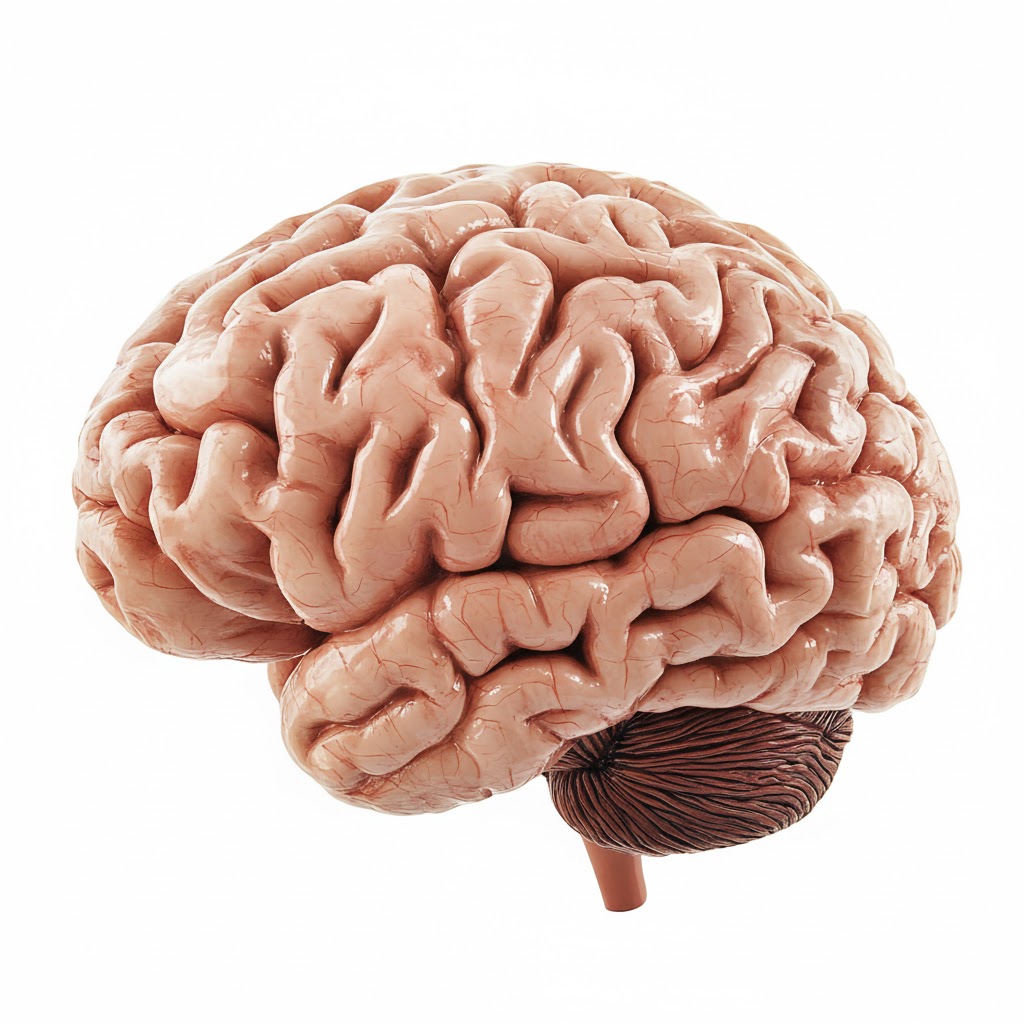
The human brain — a 1.4-kilogram neurological masterpiece — unifies the cerebrum, cerebellum, and brainstem into a biological system of incomprehensible sophistication. Its four cortical lobes — frontal, parietal, temporal, and occipital — interconnected through the corpus callosum, execute cognition, somatosensory processing, audition, olfaction, gustation, and vision simultaneously. The midbrain, pons, and medulla oblongata govern autonomic survival functions with absolute precision. Dopaminergic and serotonergic pathways chemically regulate motor control, mood, and circadian rhythm — the latter synchronized by the pineal gland's melatonin secretion. The anterior, middle, and posterior cerebral arteries perfuse neural tissue through a molecularly selective blood-brain barrier. Neuroplasticity sustains lifelong synaptic reorganization — while stroke, brain tumors, Alzheimer's, Parkinson's, and migraine represent its most catastrophic pathological failures.
Main Article
The human brain is the most complex, most studied, and most consequential structure in the entire history of biological science — a 1.4-kilogram organ of such extraordinary architectural sophistication and functional depth that its complete understanding remains the defining unsolved challenge of twenty-first century neuroscience. Consuming nearly 20% of the body's total energy output while representing only 2% of its mass, the brain maintains approximately 86 billion neurons interconnected through 100 trillion synaptic junctions, generating through their collective electrochemical activity every thought, memory, emotion, sensation, and voluntary action that constitutes human experience. No computational system ever engineered by human intelligence approaches its processing density, adaptive capacity, or energetic efficiency, and no scientific discipline — from molecular biology to clinical medicine to theoretical physics — operates independently of the knowledge the brain generates and applies.
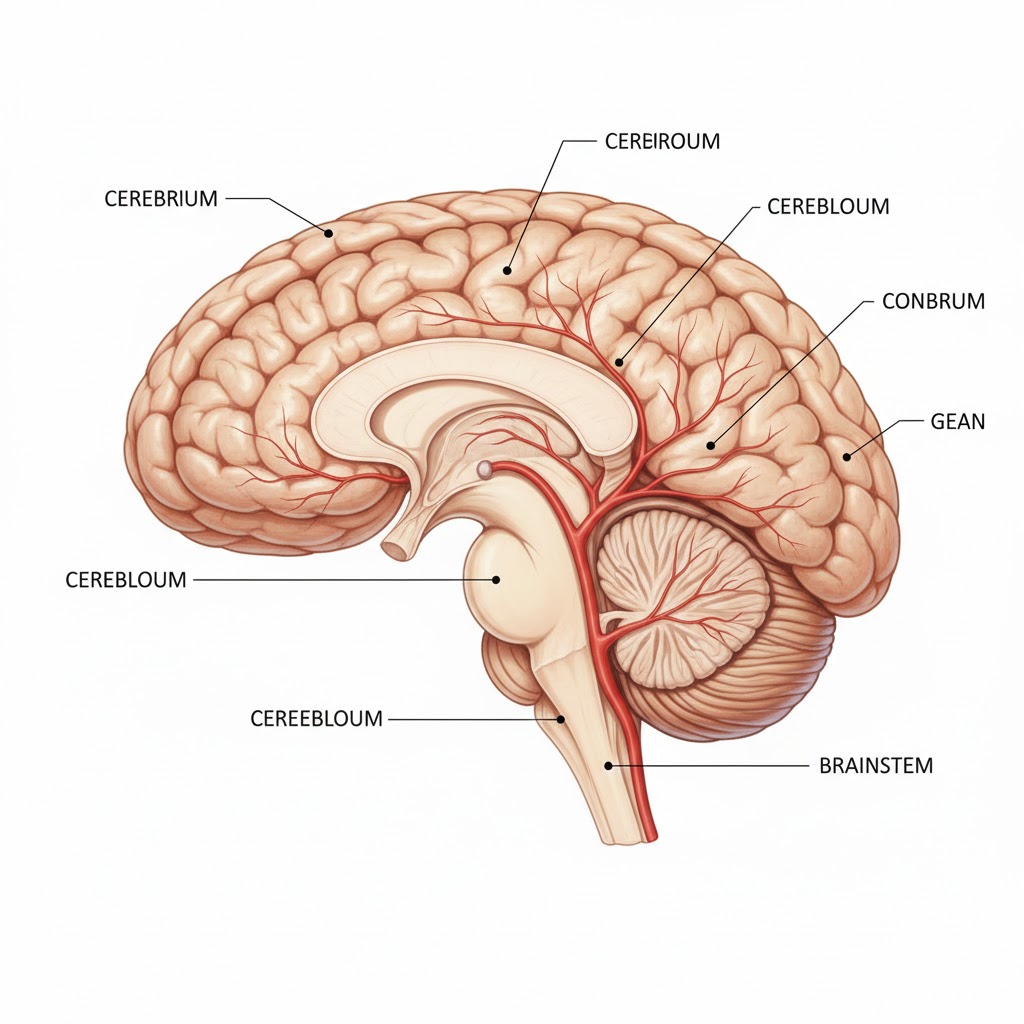
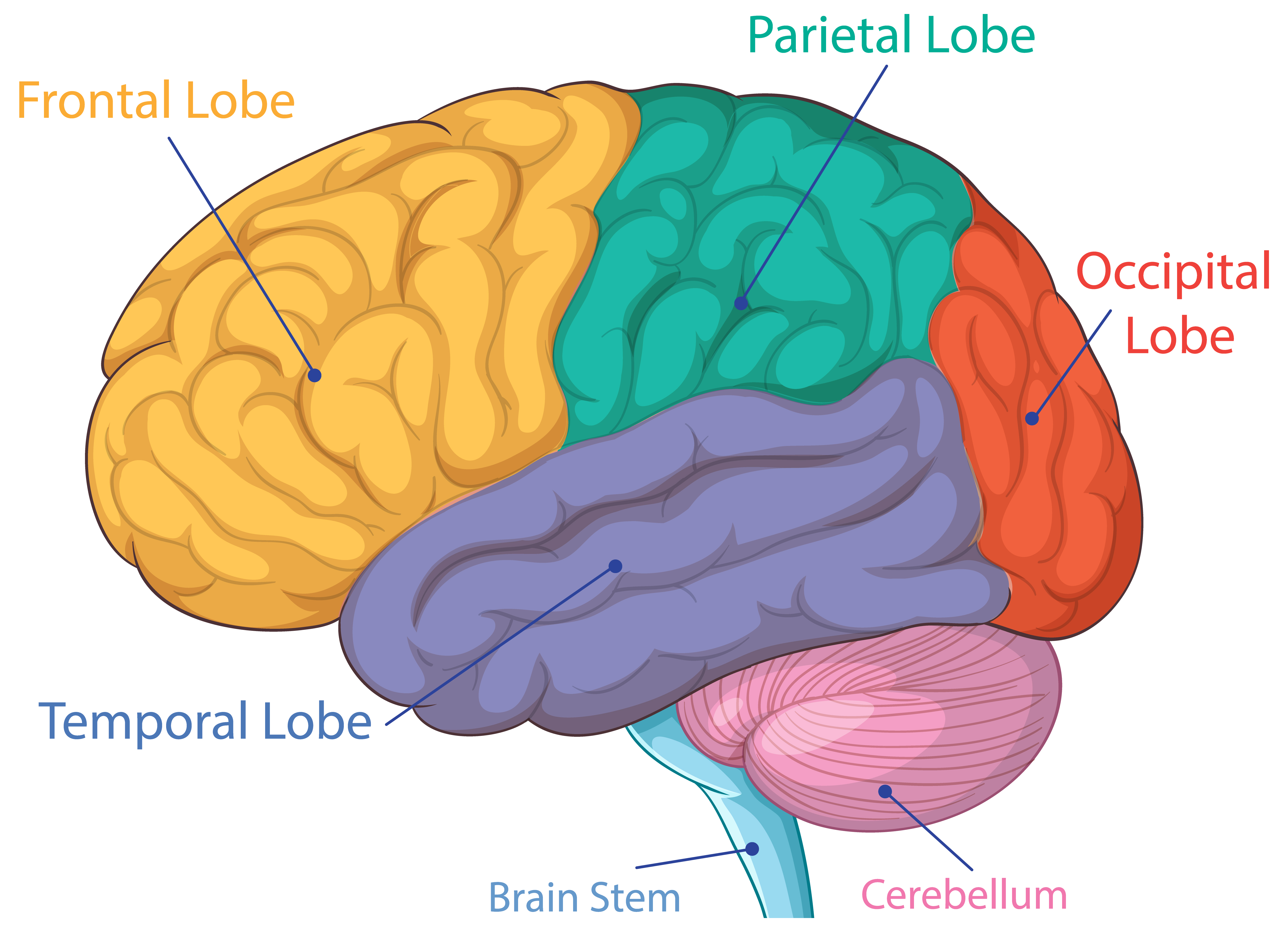
The brain's gross architecture organizes into three cardinal divisions whose functional boundaries, while anatomically defined, are physiologically inseparable. The cerebrum dominates the cranial vault, comprising 85% of total brain mass and consisting of two hemispheres unified by the corpus callosum — a white-matter commissure of 200 to 250 million myelinated axonal fibers that bridges left and right cortical territories into a single integrated consciousness, enabling instantaneous interhemispheric transfer of sensory, motor, linguistic, and cognitive information at speeds exceeding 70 meters per second. The corpus callosum's progressive myelination, completing only in the mid-twenties, directly explains the protracted maturation of complex cognitive integration across human development, and its disruption through infarction or surgical sectioning produces disconnection syndromes of extraordinary clinical specificity. The cerebrum's cortical surface — folded into gyri and sulci to compress 2,500 square centimeters of six-layered neural tissue into the skull's fixed volume — partitions into four lobes whose precise functional territories represent the neuroanatomical foundation of all medical and scientific understanding of human cognition. The frontal lobe, occupying the entire anterior cranium, houses the prefrontal cortex — the biological substrate of executive function, moral reasoning, impulse inhibition, long-term planning, and working memory — alongside the primary motor cortex, whose topographic motor homunculus maps voluntary movement across the entire body with the hands and face commanding disproportionate cortical representation. Broca's area within the left inferior frontal gyrus governs language production with neuroanatomical specificity whose clinical violation produces expressive aphasia. The parietal lobe decodes all somatosensory information — touch, pressure, pain, temperature, and proprioception — through a somatosensory homunculus in which fingertips and lips claim cortical territories vastly disproportionate to their physical dimensions, reflecting their sensory acuity, while the posterior parietal cortex constructs the brain's continuously updated spatial model of body and environment. The temporal lobe processes auditory information through the primary auditory cortex, governs language comprehension through Wernicke's area, integrates olfactory and gustatory signals from smell and taste pathways, and — through its subcortical hippocampal and amygdalar architecture — consolidates long-term memory and encodes emotional significance, making it the brain's mnemonic and affective core whose bilateral destruction abolishes the capacity to form any new lasting memories. The occipital lobe dedicates its entire cortical surface to visual processing, reconstructing retinal photonic data through primary visual cortex and diverging it into dorsal spatial and ventral object-recognition streams that collectively generate the three-dimensional visual reality constituting the brain's primary interface with the external world.
The cerebellum, anchored in the posterior cranial fossa through three paired peduncles, contains more neurons than the entire remainder of the central nervous system despite its compact dimensions — a paradox reflecting its extraordinary computational demands in coordinating movement, calibrating balance, and, as modern neuroscience has demonstrated, contributing to language and cognition through prefrontal and limbic connectivity. The brainstem descends as midbrain superiorly, pons centrally, and medulla oblongata inferiorly — the brain's most ancient and non-negotiable architecture. The midbrain houses the superior and inferior colliculi governing automatic sensory orienting reflexes, and the substantia nigra and ventral tegmental area — the brain's principal dopamine-producing nuclei, whose nigrostriatal, mesolimbic, and mesocortical projections govern motor control, motivation, reward, and executive cognition with a neurochemical reach extending across the entire cerebral hemisphere. The pons contains respiratory regulation centers, the locus coeruleus governing arousal through norepinephrine, and cranial nerve nuclei controlling facial sensation and movement. The medulla oblongata is the absolute biological foundation of survival — autonomously maintaining cardiovascular function, respiratory rhythm, and protective reflexes through centers whose damage is immediately fatal, while its pyramidal decussation explains the contralateral organization of motor control that defines all subsequent clinical neurology.
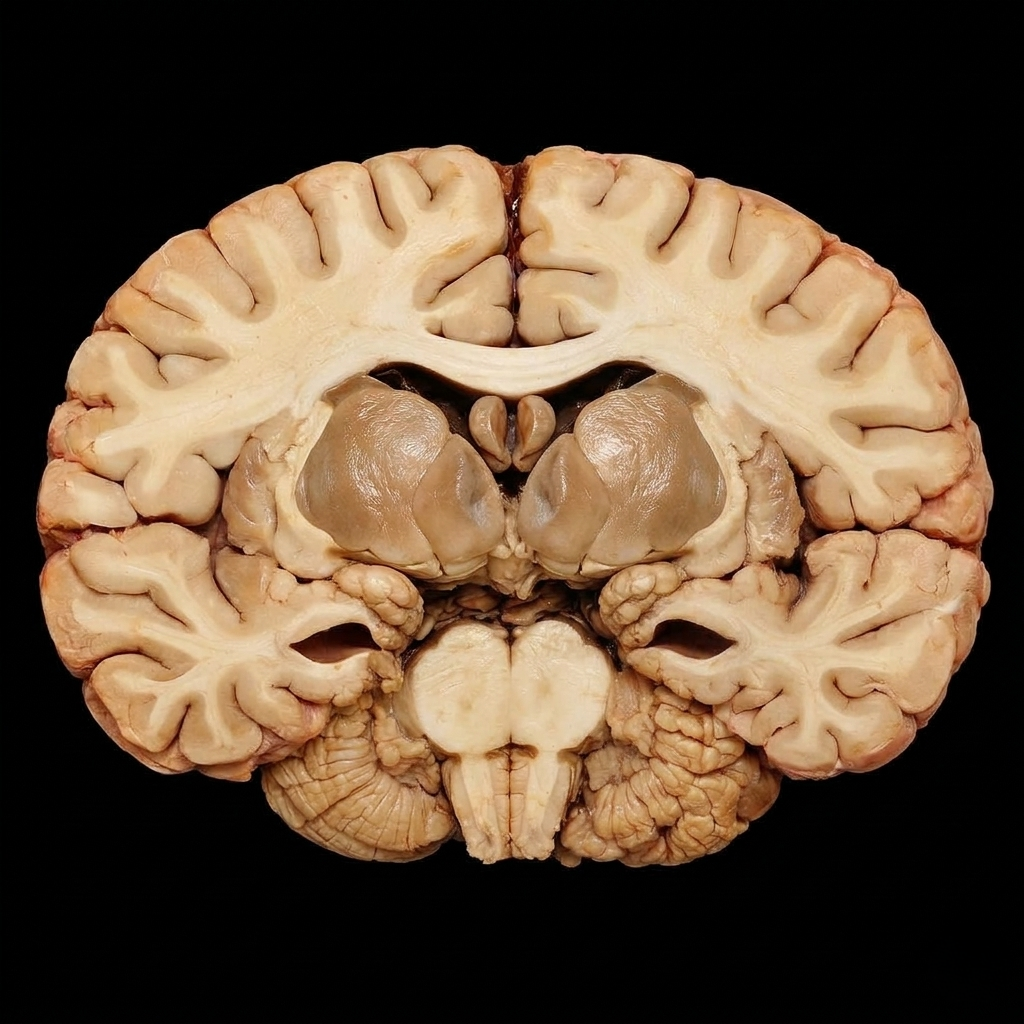
Dopamine and serotonin represent the brain's two most pharmacologically significant neuromodulatory systems. Dopamine's progressive loss through selective destruction of substantia nigra neurons defines Parkinson's disease — a neurodegenerative disorder whose classical triad of resting tremor, cogwheel rigidity, and bradykinesia reflects striatal dopamine depletion, whose Lewy body pathology spreads through the brainstem and cortex according to Braak staging, and whose cognitive and psychiatric deterioration follows as mesocortical dopaminergic projections are progressively destroyed. Serotonin, synthesized in the raphe nuclei of the pons and medulla, modulates mood, sleep, appetite, and pain sensitivity across the entire brain, with its dysregulation underlying depression, anxiety, and migraine — a complex neurovascular disorder in which cortical spreading depression propagates across the cerebrum at 3-5 millimeters per minute, triggering trigeminal nerve activation, meningeal neurogenic inflammation, and cerebrovascular dysregulation producing the characteristic unilateral throbbing pain and multisensory disturbances affecting one billion people globally. Serotonin is simultaneously the biochemical precursor of melatonin, produced in the pineal gland — a 5-8 millimeter neuroendocrine structure at the brain's geometric center within the epithalamus — which secretes melatonin in response to retinally detected darkness relayed through the suprachiasmatic nucleus, synchronizing the brain's master circadian clock and orchestrating sleep architecture, hormonal timing, and neural restoration.
The brain's arterial supply arrives through three precisely territorialized systems. The anterior cerebral artery perfuses the medial frontal and parietal lobes governing lower limb motor function and executive capacity. The middle cerebral artery — the largest intracranial vessel and the most frequent site of ischemic stroke — supplies the lateral cortex encompassing language, face and arm motor regions, and auditory cortex, making its occlusion the most functionally devastating stroke syndrome in clinical neurology. The posterior cerebral artery nourishes the occipital lobe and inferior temporal cortex, its occlusion producing homonymous hemianopia and memory circuit destruction. The blood-brain barrier — formed by tight endothelial junctions reinforced by astrocytic endfeet — maintains the brain's ionic microenvironment with molecular selectivity, permitting oxygen, glucose, and lipid-soluble molecules while excluding pathogens and most pharmaceuticals, making it simultaneously the brain's greatest protector and neuropharmacology's greatest obstacle in treating brain tumors, Alzheimer's disease, and neuroinfection.
Stroke destroys neurons irreversibly within four minutes of arterial occlusion through excitotoxic, ionic, and oxidative cascades, representing the second leading cause of global mortality and the leading cause of acquired adult disability. Brain tumors — from primary glioblastomas with 14-16 month median survival to metastatic lesions — generate lethal intracranial pressure within a fixed cranial volume where every millimeter of displaced tissue carries catastrophic functional consequence. Alzheimer's disease dismantles synaptic architecture through amyloid-beta plaques and tau tangles beginning in the hippocampus and advancing through temporal, parietal, and frontal cortices, overwhelming neuroplasticity's compensatory remodeling until consciousness itself is methodically extinguished. Neuroplasticity — the brain's lifelong capacity for synaptic reorganization, cortical remapping, and experience-driven structural change — remains the central unifying principle of modern neuroscience, the biological foundation of learning, rehabilitation, and recovery, and the property whose ultimate defeat by neurodegeneration defines the most devastating diseases known to medicine. The human brain endures as the single greatest subject of scientific inquiry — the organ that must understand itself.
Functions
The human brain executes its functions through an architecture of absolute precision, in which every structure carries an irreplaceable and scientifically defined role. The cerebrum governs all conscious experience — voluntary movement, language, reasoning, and sensory perception — distributing this computational labor across four lobes with exquisite specificity: the frontal lobe commands executive function, impulse control, moral judgment, long-term planning, and voluntary motor output through its primary motor cortex; the parietal lobe decodes all somatosensory input — touch, pressure, pain, temperature, and proprioception — while constructing the brain's continuous spatial model of body and environment; the temporal lobe transforms mechanical vibrations into conscious hearing, integrates smell and taste through olfactory and gustatory cortices, and consolidates long-term memory and emotional processing through its hippocampal and amygdalar architecture; the occipital lobe reconstructs photonic retinal data into complete three-dimensional vision through primary visual cortex and diverging dorsal and ventral processing streams. The corpus callosum unifies both hemispheres into singular consciousness, transmitting motor, sensory, and cognitive information between left and right cortices at millisecond precision. The cerebellum coordinates and refines all voluntary movement, calibrates balance through vestibular integration, and contributes to language and cognition through prefrontal connectivity. The midbrain processes visual and auditory reflexes through its colliculi and produces dopamine through the substantia nigra and ventral tegmental area — driving motor control, motivation, and reward across the entire brain. The pons regulates breathing rhythm, governs arousal through the locus coeruleus, and relays cortical commands to the cerebellum. The medulla oblongata autonomously maintains cardiovascular function, respiratory drive, and protective reflexes. Dopamine orchestrates movement precision and motivational drive; serotonin stabilizes mood, appetite, and sleep architecture; the pineal gland secretes melatonin to synchronize circadian rhythm. The anterior, middle, and posterior cerebral arteries deliver oxygen to every functional territory; the blood-brain barrier selectively maintains the neural microenvironment. Neuroplasticity enables lifelong functional reorganization — a capacity catastrophically lost in Alzheimer's, Parkinson's, stroke, brain tumors, and migraine.
Structural Organization
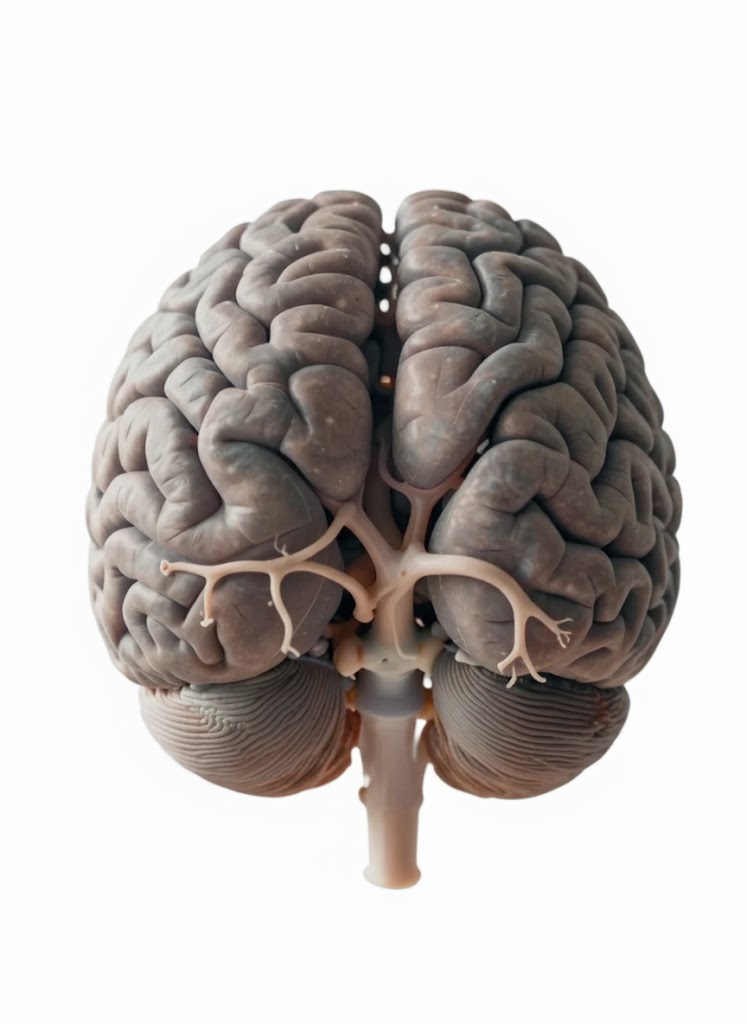
The human brain's structural organization represents the most sophisticated biological architecture ever produced by evolution — a precisely layered, three-dimensionally integrated system in which every cubic millimeter of tissue occupies a defined anatomical position serving an irreplaceable functional purpose. At its highest organizational level, the brain divides into three cardinal structures: the cerebrum, the cerebellum, and the brainstem, each occupying distinct cranial territory while remaining structurally inseparable through dense bidirectional neural pathways. The cerebrum dominates the superior cranial vault, its two hemispheres structurally united at the medial midline by the corpus callosum — a C-shaped white-matter commissure of 200 to 250 million myelinated axonal fibers whose rostrum, genu, body, and splenium connect specific cortical territories between hemispheres with precise topographic organization. The cerebral cortex folds into gyri and sulci compressing 2,500 square centimeters of six-layered neural tissue into the skull's fixed volume, partitioning structurally into four lobes: the frontal lobe projecting anteriorly behind the forehead; the parietal lobe crowning the superior midline; the temporal lobes flanking the lateral skull bilaterally at ear level; and the occipital lobe anchoring the posterior pole. The cerebellum occupies the posterior cranial fossa beneath the cerebrum, attached through three paired peduncles to the brainstem's posterior surface, its densely foliated cortical surface containing more neurons than the entire remainder of the brain. The brainstem descends vertically — midbrain superiorly containing the substantia nigra producing dopamine, pons centrally housing the raphe nuclei synthesizing serotonin, and medulla oblongata inferiorly continuous with the spinal cord. The pineal gland projects from the epithalamus at the brain's precise geometric center. The anterior, middle, and posterior cerebral arteries trace the cerebrum's outer surface supplying defined cortical territories whose occlusion in stroke produces anatomically predictable deficits. The blood-brain barrier lines every intracranial capillary, and neuroplasticity continuously remodels this entire architecture — a remodeling capacity progressively destroyed in Alzheimer's, Parkinson's, brain tumors, and migraine.
Diseases and Disorders
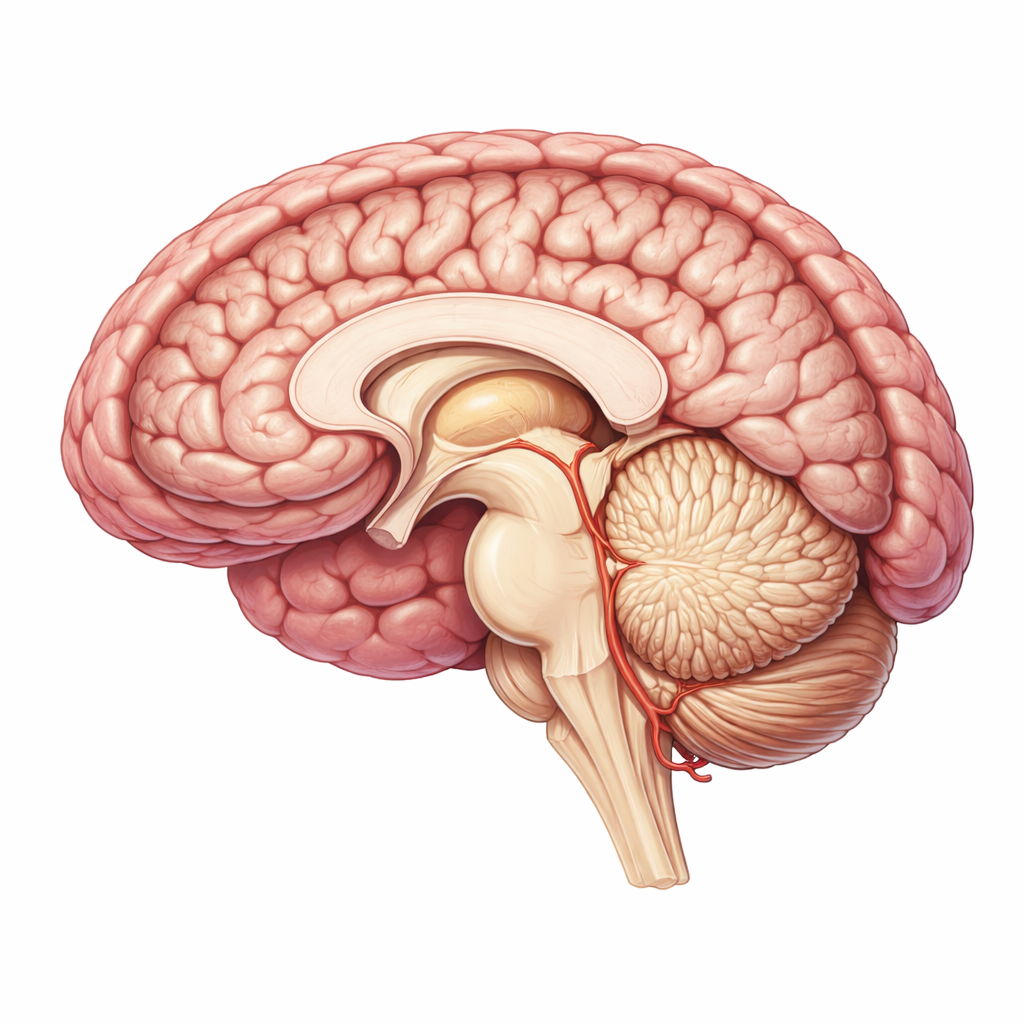
The human brain, despite its extraordinary resilience, remains catastrophically vulnerable to a spectrum of diseases that dismantle with ruthless anatomical precision the very structures and functions defining human existence. Alzheimer's disease — the most prevalent neurodegenerative disorder in medical history — progressively destroys synaptic architecture through amyloid-beta plaque deposition between neurons and neurofibrillary tau tangle formation within them, initiating in the hippocampus and entorhinal cortex of the temporal lobe before advancing through parietal and frontal lobes, overwhelming neuroplasticity's compensatory remodeling until memory, language, spatial reasoning, and consciousness itself are methodically extinguished. Parkinson's disease targets the midbrain's substantia nigra with lethal specificity — progressively destroying its dopaminergic neurons through alpha-synuclein Lewy body pathology, depleting striatal dopamine to levels that collapse the basal ganglia's motor circuitry and produce resting tremor, cogwheel rigidity, and bradykinesia, with serotonergic and cognitive deterioration following as pathology spreads through the brainstem's pons and medulla oblongata into cortical territories. Stroke delivers the brain's most acute catastrophe — sudden occlusion or hemorrhage within the anterior, middle, or posterior cerebral arteries starves the cerebrum, cerebellum, or brainstem of oxygen within four minutes, triggering excitotoxic glutamate cascades and irreversible neuronal death, while blood-brain barrier breach unleashes inflammatory destruction far beyond the initial ischemic core, silencing entire functional territories governing vision, hearing, touch, and movement simultaneously. Brain tumors — whether primary glioblastomas infiltrating the corpus callosum and cerebral white matter or metastatic lesions compressing the occipital lobe, temporal lobe, or brainstem — generate lethal intracranial pressure within the skull's fixed volume, annihilating functions with anatomical exactness. Migraine represents profound neurovascular instability — cortical spreading depression sweeping the cerebrum triggers trigeminal activation and serotonin dysregulation, while pineal gland melatonin disruption destabilizes circadian architecture, compounding neurological vulnerability across every affected structure.
How to Protect Your Brain
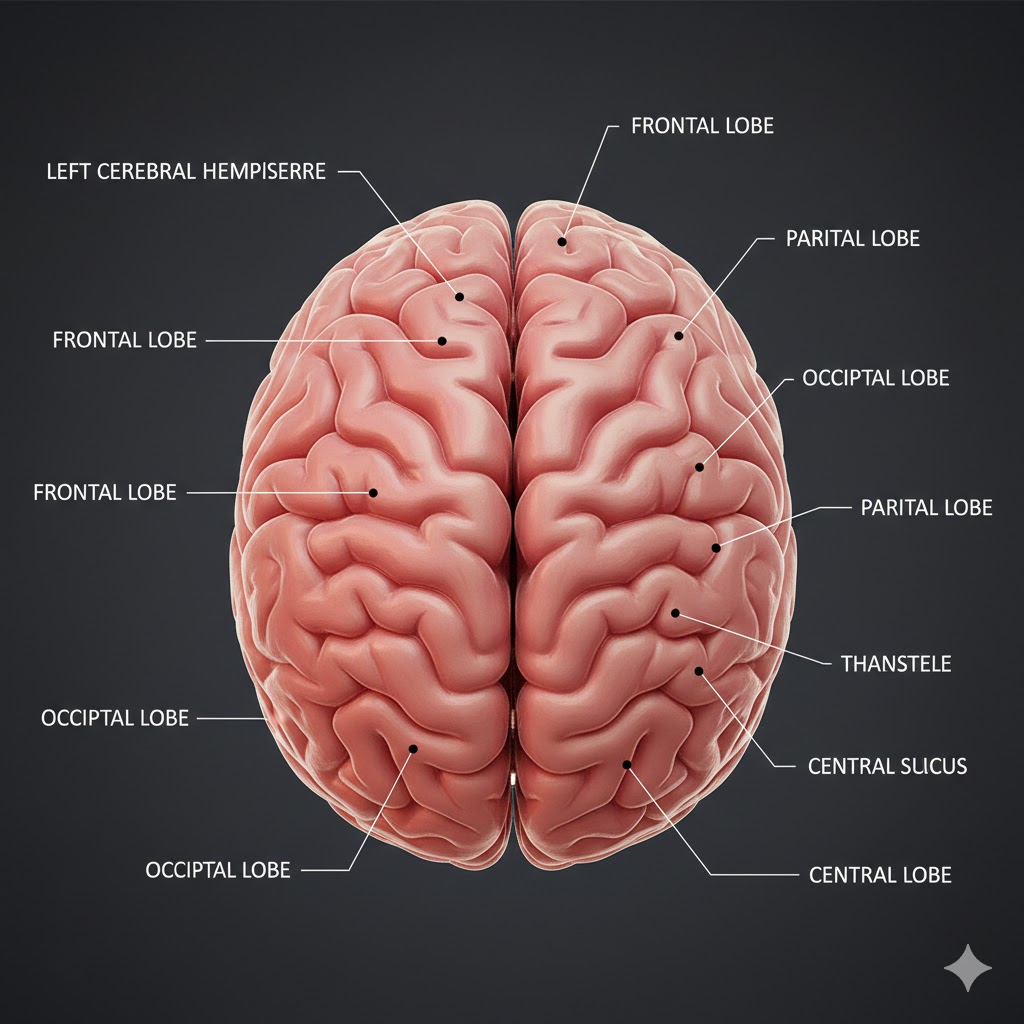
Protecting the human brain demands a rigorously evidence-based, multisystem strategy targeting every layer of its extraordinary architecture — from the molecular integrity of the blood-brain barrier to the synaptic density of the cerebral cortex. Aerobic cardiovascular exercise performed consistently at moderate-to-high intensity increases cerebral perfusion through the anterior, middle, and posterior cerebral arteries, delivering oxygen and glucose to the cerebrum, cerebellum, and brainstem with measurable hemodynamic efficiency, directly reducing stroke risk by maintaining arterial elasticity, lowering blood pressure, and preventing the atherosclerotic occlusion that silences entire functional territories within four catastrophic minutes. Exercise simultaneously elevates brain-derived neurotrophic factor — the molecular driver of neuroplasticity — reinforcing synaptic density across the frontal, parietal, temporal, and occipital lobes and building the cognitive reserve that delays Alzheimer's and Parkinson's onset by years. Deep, architecturally complete sleep is neurologically non-negotiable: during slow-wave sleep, the glymphatic system activates to flush amyloid-beta and tau proteins — the precise pathological molecules of Alzheimer's disease — from interstitial spaces between neurons, while the pineal gland secretes melatonin to synchronize circadian rhythm and orchestrate the hormonal restoration upon which dopaminergic and serotonergic system maintenance depends. Nutritional precision — omega-3 fatty acids, polyphenols, and antioxidants — reinforces blood-brain barrier integrity, suppresses neuroinflammation, and sustains dopamine and serotonin synthesis in the midbrain and brainstem raphe nuclei respectively. Cognitive engagement through learning, problem-solving, and complex skill acquisition actively stimulates neuroplasticity throughout the corpus callosum and association cortices, constructing synaptic redundancy that resists neurodegenerative destruction. Chronic stress management preserves serotonergic equilibrium, preventing the neurovascular dysregulation underlying migraine and the hippocampal atrophy driven by sustained cortisol elevation. Physical head protection through helmets safeguards the corpus callosum and brainstem from traumatic axonal injury. Every protective measure represents a direct biological investment against stroke, brain tumors, Alzheimer's, Parkinson's, and migraine — defending the one organ whose loss is the loss of everything.
Shape and Location
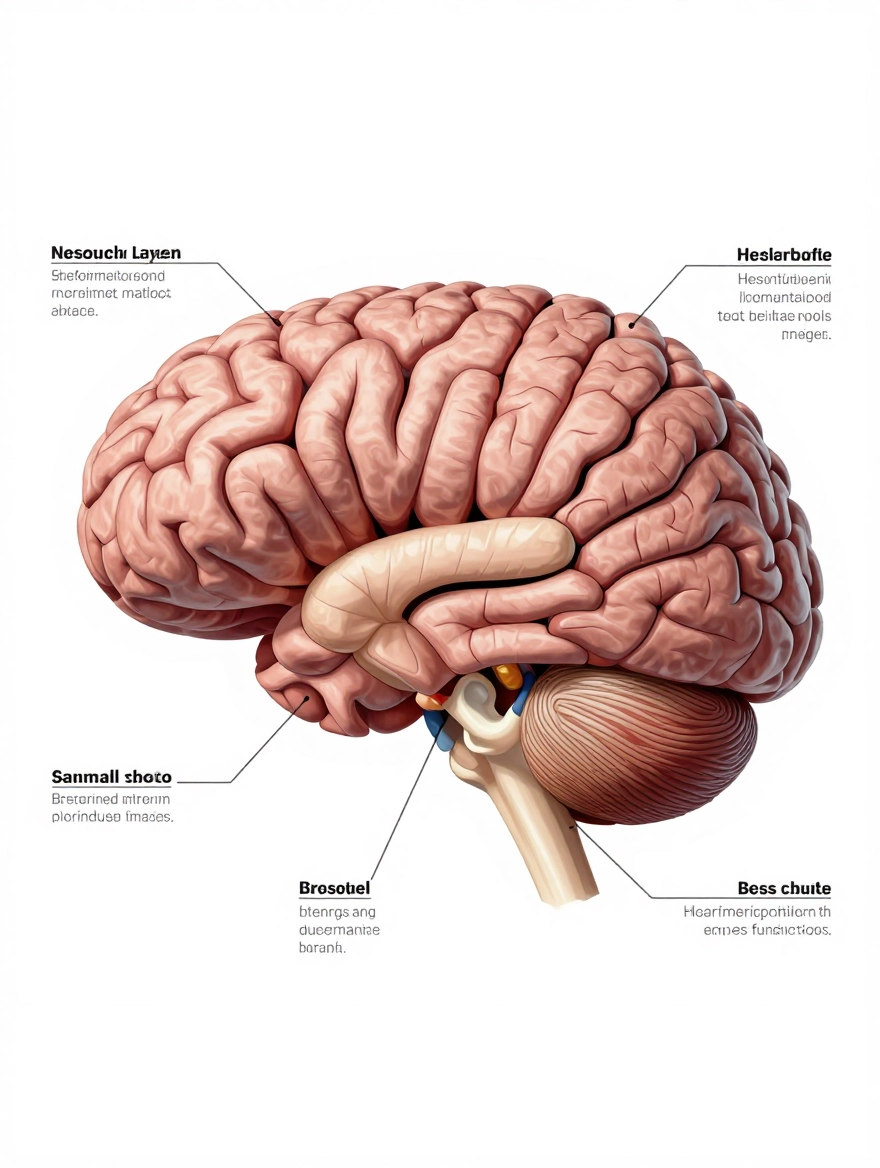
The human brain occupies the cranial vault with geometric exactness — a bilaterally symmetrical, deeply convoluted ovoid structure weighing 1.4 kilograms, suspended within three meningeal layers and bathed in cerebrospinal fluid that cushions its mass against mechanical trauma. Its surface is sculpted into gyri and sulci, folding approximately 2,500 square centimeters of cerebral cortex into the skull's fixed volume with extraordinary spatial efficiency. The cerebrum dominates the superior and anterior cranial space, its two hemispheres united at the medial midline by the corpus callosum. The frontal lobe projects anteriorly behind the forehead; the parietal lobe crowns the superior midline; the temporal lobes extend bilaterally at ear level housing auditory, smell, and taste cortices; and the occipital lobe anchors the posterior pole processing all vision. The cerebellum nestles beneath the cerebrum's posterior surface within the inferior cranial fossa, its densely foliated surface immediately identifiable by its horizontal laminar architecture. The brainstem descends vertically — midbrain superiorly, pons centrally, medulla oblongata inferiorly — exiting through the foramen magnum. The pineal gland sits at the brain's precise geometric center within the epithalamus. The anterior, middle, and posterior cerebral arteries trace the cerebral surface; the blood-brain barrier lines every capillary; and neuroplasticity continuously remodels this architecture — a capacity devastated by stroke, brain tumors, Alzheimer's, Parkinson's, and migraine.
Summary
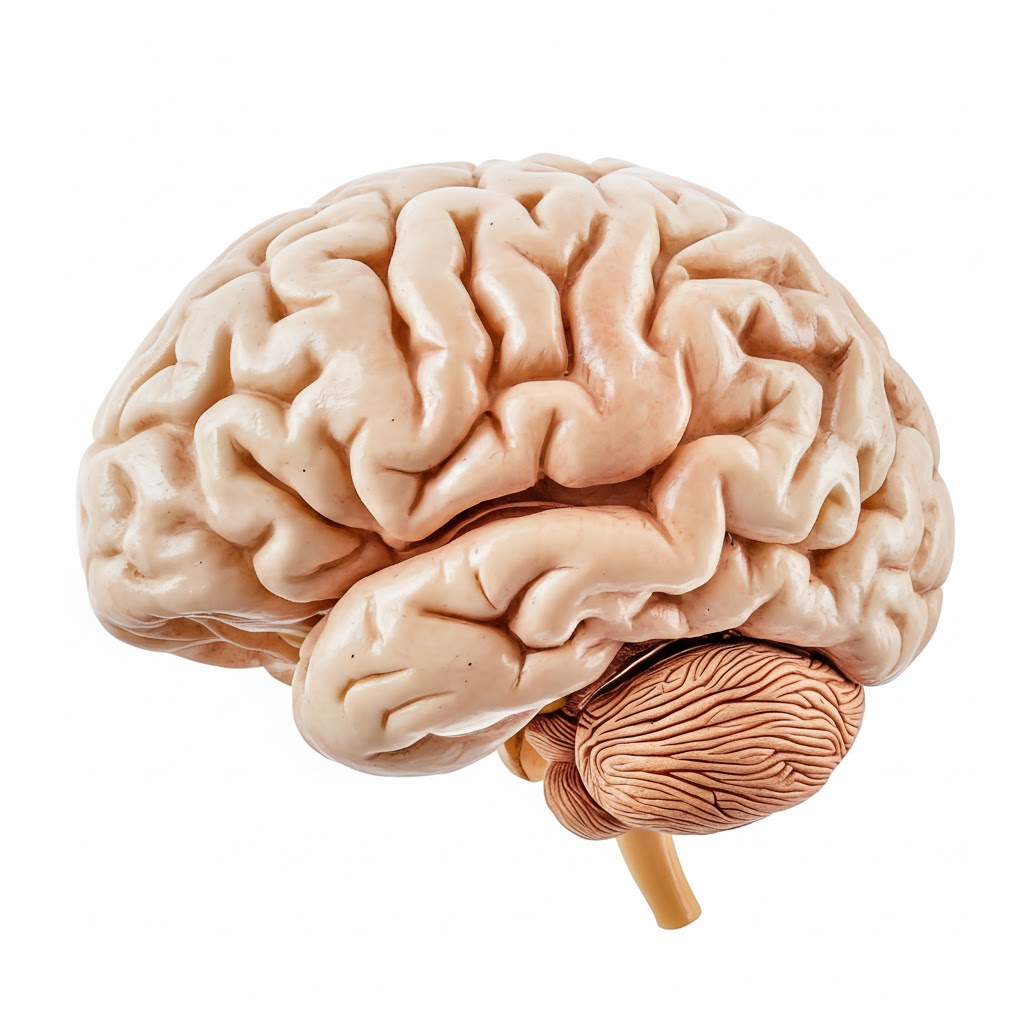
The human brain — a 1.4-kilogram biological masterpiece of 86 billion neurons interconnected through 100 trillion synaptic junctions — stands as the most complex, most consequential, and most scientifically extraordinary structure that four billion years of evolution has ever produced. Its cerebrum, divided into frontal, parietal, temporal, and occipital lobes and unified by the corpus callosum, generates cognition, voluntary movement, vision, hearing, smell, taste, and touch simultaneously. Its cerebellum coordinates all movement with millisecond precision; its brainstem — through midbrain, pons, and medulla oblongata — sustains life itself without interruption. Dopamine drives motor control and motivation; serotonin stabilizes mood and sleep architecture; the pineal gland synchronizes circadian biology through melatonin. The anterior, middle, and posterior cerebral arteries perfuse every functional territory; the blood-brain barrier maintains molecular neural integrity across every capillary. Neuroplasticity enables lifelong synaptic reorganization and structural adaptation — the brain's most profound biological superpower — yet its ultimate defeat defines humanity's most devastating diseases: Alzheimer's dismantles memory and consciousness, Parkinson's destroys dopaminergic motor control, stroke silences entire neural territories within four minutes, brain tumors compress irreplaceable tissue, and migraine destabilizes neurovascular equilibrium globally. The brain does not merely contain your existence — it is your existence, completely and without remainder.