The Chemical Cathedral: An Ode to the Liver
Introduction
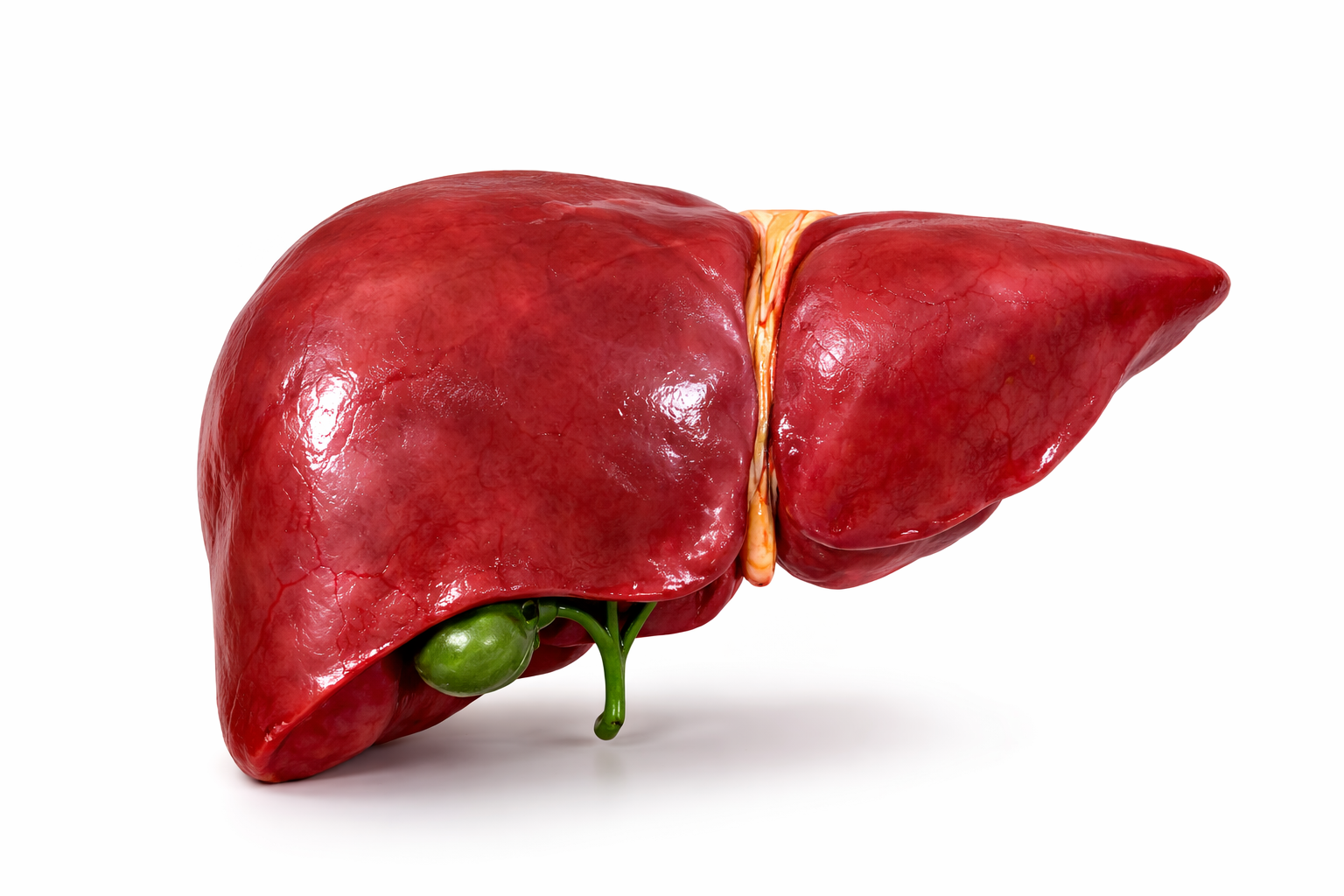 Before you were born, before your first breath, before consciousness flickered into existence—one organ began its eternal vigil. Your liver. Right now, this very heartbeat, it performs over five hundred distinct biochemical reactions, transforming everything you consume into everything you are, holding you suspended between nourishment and poison. Approximately 1.5 kilograms of tissue conducting the most complex chemistry in your body, working tirelessly where light never reaches. Ancient physicians called it the seat of courage and emotion. They touched profound truth: without this reddish-brown miracle orchestrating molecular alchemy in darkness, consciousness itself dissolves. This is the liver's story—your chemical foundation.
Main Article
Close your eyes. Place your right hand beneath your lower ribs. Feel the warmth pulsing there, that steady heat signature of perpetual work. Just beneath your palm, your liver processes every molecule you've consumed today—breaking down, building up, transforming, protecting, sustaining you through chemistry so sophisticated that replicating even one percent of hepatic function requires roomfuls of equipment, teams of scientists, millions of dollars. No artificial device approaches what this organ accomplishes automatically, continuously, precisely, every moment you exist.
Your liver weighs approximately fifteen hundred grams—containing three hundred billion hepatocytes, each cell a microscopic chemical plant performing reactions so complex that replicating them challenges our greatest laboratories. Each hepatocyte runs thousands of simultaneous reactions. No machine can match this biological sophistication.
Your liver story began in darkness—week three of gestation when you were barely visible to naked eyes. A tiny outgrowth from the foregut endoderm, the hepatic diverticulum, rapidly proliferated into cords of purposeful cells invading surrounding tissue like roots seeking soil. Throughout fetal life, your liver served as primary blood-forming organ, manufacturing red and white blood cells until bone marrow assumed this duty near birth. At birth, the liver comprised approximately five percent of body weight—proportionally massive because newborns require extraordinary metabolic support for explosive growth. Throughout childhood it matured, expanding its enzymatic repertoire until achieving full biochemical sophistication during adolescence: three hundred billion cells ready for lifetime service.
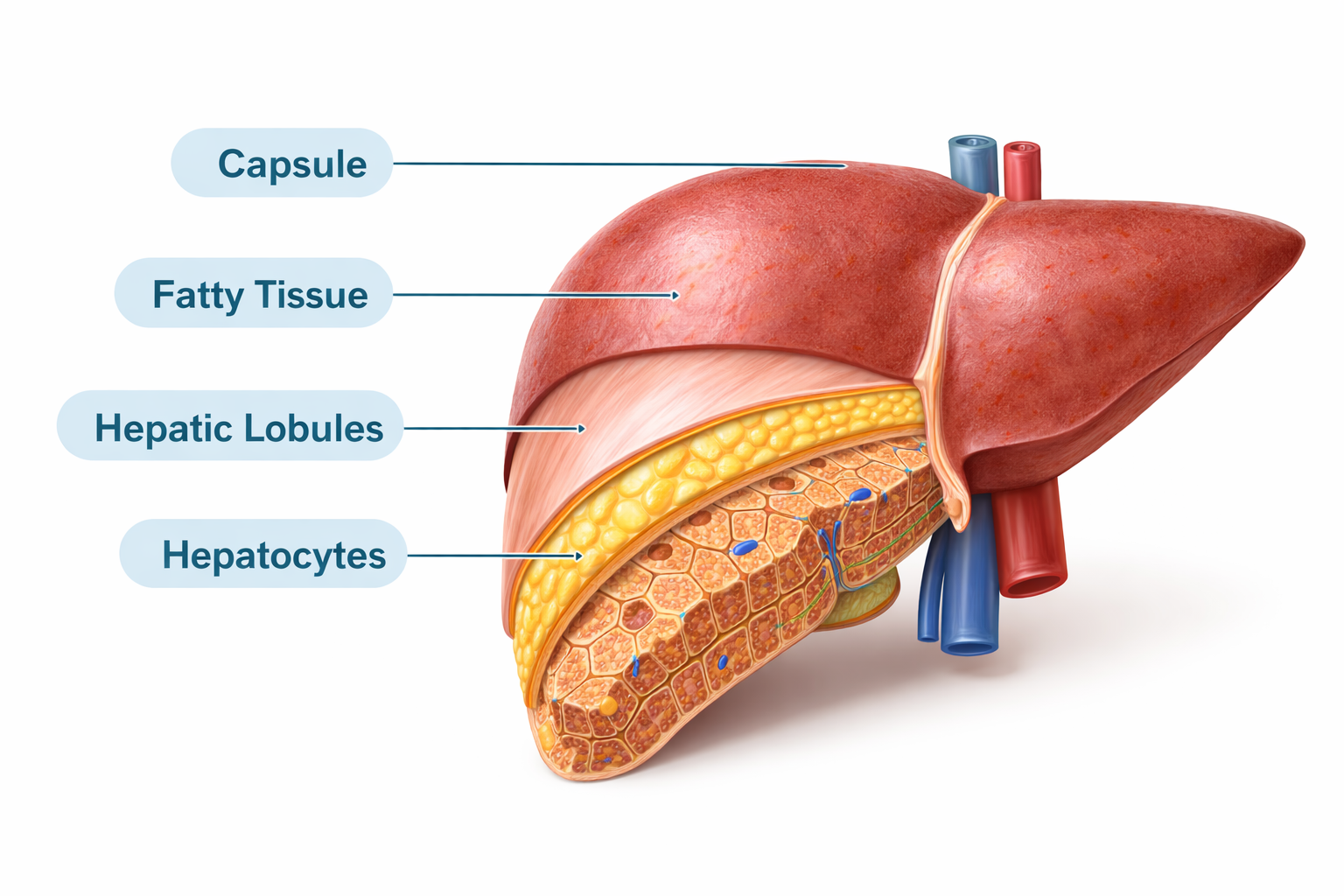
The adult liver exhibits dimensions reflecting metabolic supremacy. Measuring approximately twenty centimeters transversely, fifteen centimeters vertically, ten centimeters in thickness at its broadest point, it occupies the entire right upper abdomen extending leftward past midline. Yet size reveals nothing of sophistication. Inside reside three hundred billion hepatocytes arranged in hexagonal lobules like honeycomb architecture, each cell running thousands of reactions simultaneously, each lobule a functional masterpiece repeated one hundred thousand times throughout this organ.
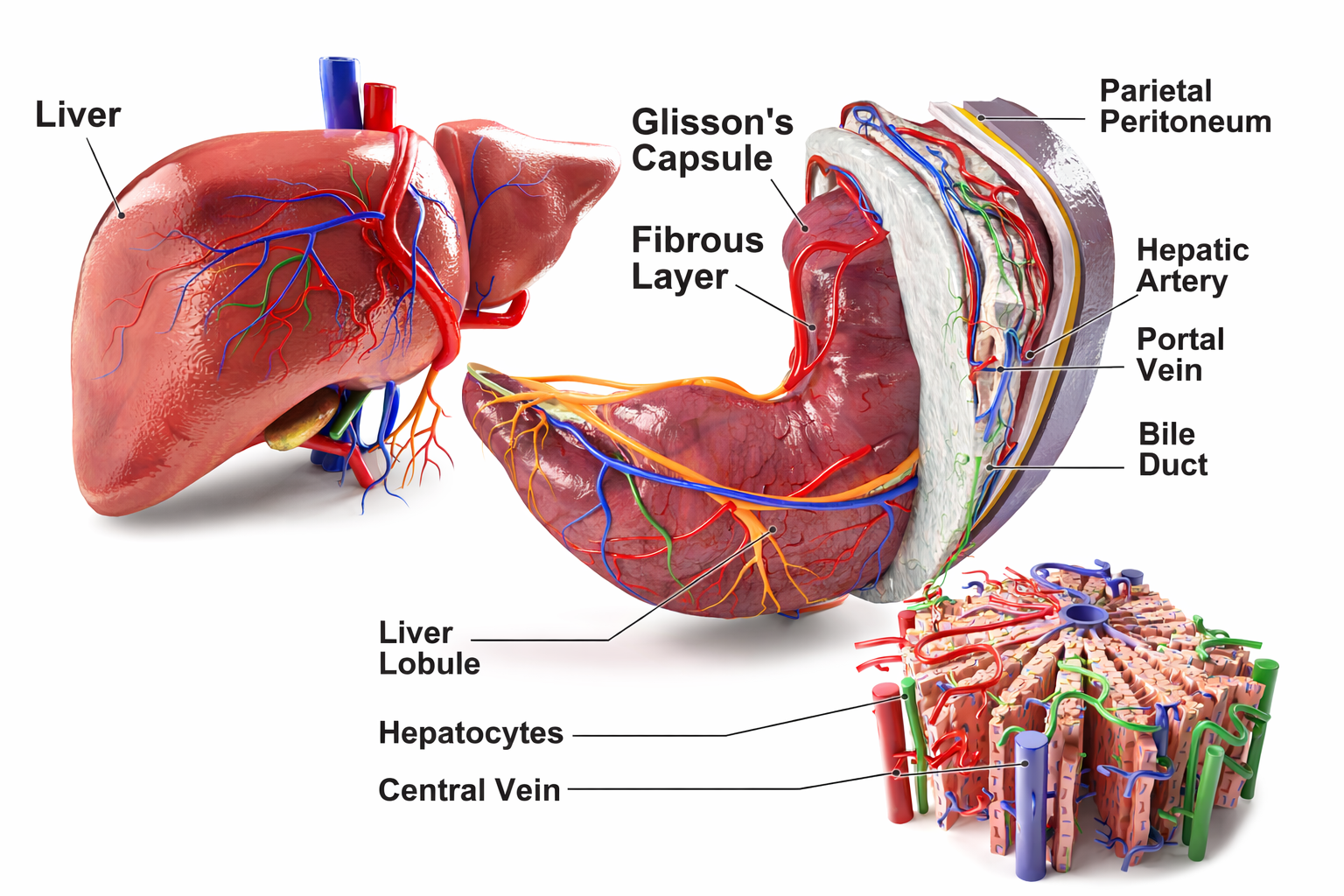
Liver architecture reveals evolutionary perfection. Each lobule centers around a central vein, with hepatocytes radiating outward in plate-like arrangements one to two cells thick, creating corridors called sinusoids where blood flows past working cells. At lobule periphery sit portal triads—branches of the hepatic artery delivering oxygen-rich blood, portal vein branches carrying nutrient-laden blood from digestive tract, bile ducts collecting bile produced by hepatocytes. This arrangement ensures every hepatocyte maintains intimate contact with both incoming blood and outgoing bile, maximizing metabolic efficiency through geometric precision.
Blood flow through liver follows unique patterns reflecting dual circulatory supply. The hepatic artery provides twenty-five percent of hepatic blood flow, delivering oxygenated blood directly from aorta. The portal vein contributes seventy-five percent, carrying blood directly from stomach, intestines, spleen, pancreas—blood rich with nutrients from your last meal, medications you've taken, toxins you've absorbed, everything requiring processing before reaching your heart and brain. These vessels enter at porta hepatis, progressively branching into smaller vessels emptying into sinusoids between hepatocyte plates. Blood percolates past working cells, undergoing hundreds of chemical transformations before draining into central veins, then hepatic veins, then inferior vena cava returning to your heart carrying purified blood.
The biliary system represents excretory architecture approaching perfection. Hepatocytes continuously secrete bile into microscopic channels called bile canaliculi running between adjacent cells like molecular gutters. These drain into progressively larger bile ductules in portal triads, eventually forming right and left hepatic ducts merging outside the liver creating common hepatic duct. This joins cystic duct from gallbladder forming common bile duct, which traverses pancreatic head before emptying into duodenum at ampulla of Vater. Daily, your liver produces five hundred to one thousand milliliters of bile—complex fluid containing bile acids, cholesterol, phospholipids, bilirubin, electrolytes—essential for fat digestion and waste elimination.
The liver performs metabolic operations of remarkable complexity. Carbohydrate metabolism: after meals, liver extracts excess glucose from portal blood, converting it to glycogen through glycogenesis or transforming it into fatty acids for storage. During fasting, it breaks down glycogen through glycogenolysis or synthesizes new glucose from amino acids and glycerol through gluconeogenesis. This glucose buffering prevents dangerous blood sugar fluctuations, ensuring stable fuel supply for your glucose-dependent brain consuming twenty percent of total body glucose regardless of feeding state. Without this hepatic thermostat, you would oscillate between hyperglycemic and hypoglycemic crises.
Protein metabolism showcases hepatic synthesis mastery. The liver manufactures most plasma proteins including albumin—maintaining blood oncotic pressure and transporting countless substances—at twelve grams daily. It produces essential clotting factors including fibrinogen, prothrombin, factors five, seven, nine, ten, eleven, making it indispensable for hemostasis. It synthesizes acute phase proteins during inflammation, complement proteins for immune defense, binding proteins for hormones and vitamins. Additionally, hepatocytes convert toxic ammonia from amino acid breakdown into urea through urea cycle, preventing ammonia accumulation that would poison your brain causing hepatic encephalopathy and death within days.
Lipid metabolism demonstrates hepatic versatility approaching artistry. Liver synthesizes cholesterol and phospholipids, packages triglycerides into lipoproteins for transport, produces bile acids from cholesterol for fat digestion. It manufactures very low-density lipoproteins transporting triglycerides to peripheral tissues and high-density lipoproteins removing excess cholesterol for disposal. It performs beta-oxidation of fatty acids generating energy during fasting states. This intricate lipid choreography maintains proper cholesterol balance and provides alternative fuel sources when glucose becomes scarce.
The liver's detoxification capabilities protect you from countless harmful substances through molecular transformation. Hepatocytes contain abundant smooth endoplasmic reticulum housing cytochrome P450 enzymes—a superfamily of proteins chemically modifying drugs, toxins, metabolic waste products, converting them into water-soluble compounds for urinary or biliary excretion. This biotransformation occurs in two coordinated phases: phase one reactions introduce or expose functional groups through oxidation, reduction, hydrolysis; phase two reactions conjugate substances with glucuronic acid, sulfate, glutathione, dramatically increasing water solubility. Your liver metabolizes alcohol, prescription medications, environmental toxins, endogenous waste products, preventing accumulation to levels that would kill you.
Storage functions add another dimension to hepatic importance. Liver stores substantial glycogen providing readily available glucose reserves. Fat-soluble vitamins A, D, E, K accumulate in hepatocytes—liver storing several years' supply of vitamin A and significant vitamin D reserves. Water-soluble vitamin B12 also concentrates here. Additionally, hepatocytes store iron as ferritin and hemosiderin, releasing it as needed for hemoglobin synthesis. Liver stores copper, though excessive accumulation causes Wilson disease.
Twenty-five percent of cardiac output flows through this organ every minute—fifteen hundred milliliters continuously. This extraordinary perfusion reflects extraordinary responsibility: processing every nutrient, neutralizing every toxin, synthesizing every essential protein, maintaining the precise biochemical environment where consciousness crystallizes from neural firing, where you exist, where life unfolds with all its staggering complexity.
Function
The liver's functional repertoire surpasses five hundred distinct processes—metabolic operations no machine can replicate, no factory can match. Metabolism, synthesis, storage, detoxification—each occurring simultaneously in three hundred billion hepatocytes working in perfect biochemical coordination like an invisible orchestra.
Glucose homeostasis represents paramount hepatic responsibility. The liver acts as your body's glucose thermostat, maintaining blood sugar between seventy and one hundred milligrams per deciliter regardless of feeding state. After meals, hepatocytes extract excess glucose from portal blood, converting it to glycogen through glycogenesis or fatty acids for long-term storage. During fasting, liver maintains stable glucose through glycogenolysis or gluconeogenesis, synthesizing new glucose from non-carbohydrate sources. This regulation proves absolutely critical—your brain depends almost exclusively on glucose, consuming one hundred twenty grams daily. Without hepatic glucose control, consciousness itself would flicker between crisis states.
Equally vital, protein synthesis constitutes another fundamental function elevating liver beyond simple organ to biological factory. Liver manufactures albumin at approximately twelve grams daily—most abundant plasma protein maintaining oncotic pressure and transporting bilirubin, fatty acids, hormones, medications throughout your body. It synthesizes all clotting factors except von Willebrand factor, making it essential for hemostasis. Liver produces acute phase proteins, complement proteins, binding proteins. It converts toxic ammonia into urea, preventing neurotoxic accumulation that would cause coma and death.
Bile production represents unique hepatic function with profound digestive implications. Hepatocytes continuously secrete bile containing bile acids synthesized from cholesterol. These amphipathic molecules emulsify dietary fats in small intestine, dramatically increasing surface area for lipase activity, facilitating fat-soluble vitamin absorption. Liver produces five hundred to one thousand milliliters daily. Bile also serves as excretory route for bilirubin, cholesterol, various medications—the liver's chemical waste disposal system.
Detoxification transforms liver from organ to guardian. Cytochrome P450 enzymes metabolize virtually everything you ingest—medications, alcohol, environmental toxins, food additives. Phase one and phase two reactions convert lipophilic toxins into water-soluble compounds for elimination, preventing accumulation that would otherwise prove fatal within days. Together these functions maintain biochemical stability where cellular life thrives, where neural transmission occurs, where consciousness persists as emergent miracle. Liver failure disrupts everything simultaneously. Without transplantation, survival measures in days.
Structural Organization
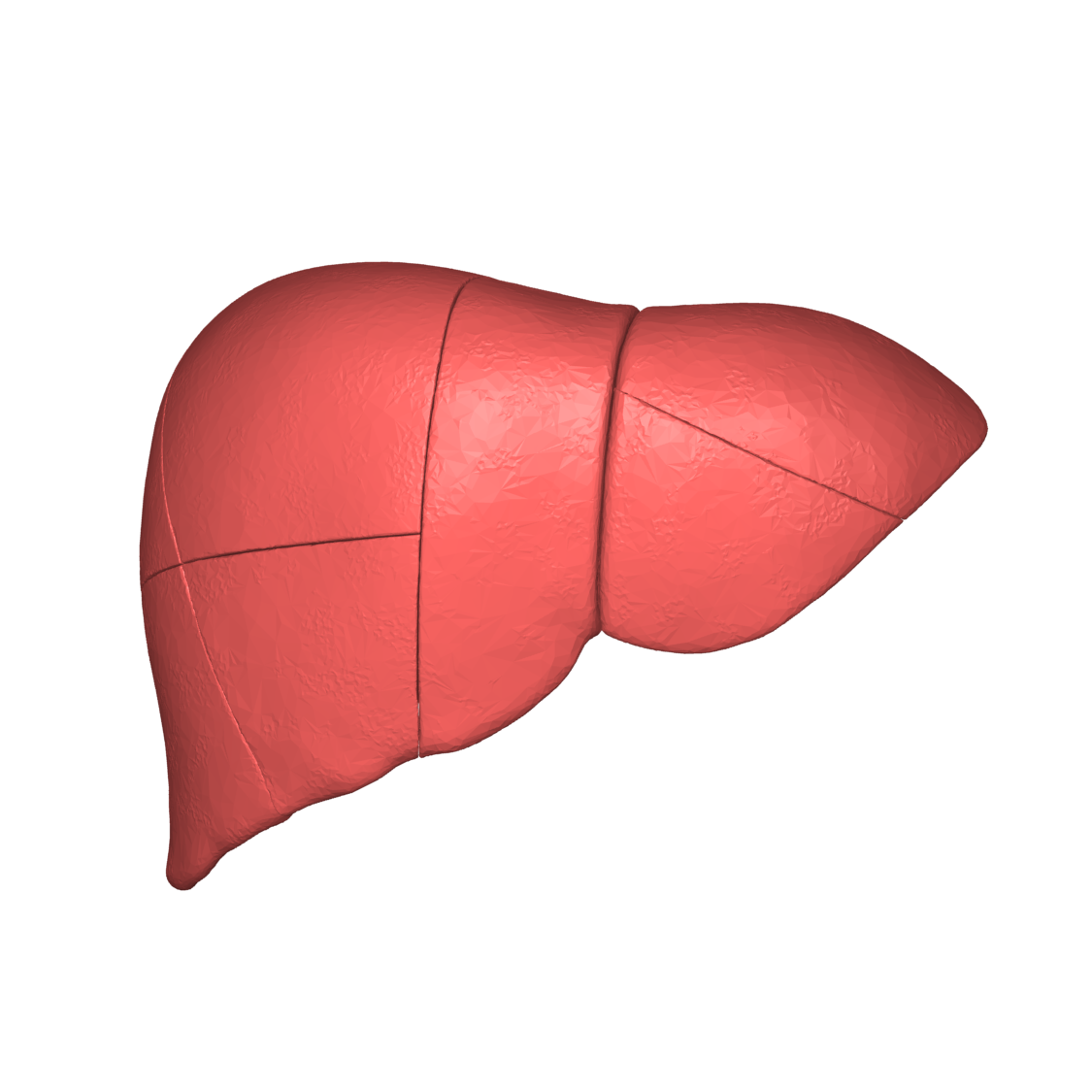
Liver architecture demonstrates form achieving function through evolutionary masterwork spanning millions of years. Macroscopically, liver divides into four anatomical lobes: large right lobe, smaller left lobe, caudate lobe, quadrate lobe visible on inferior surface. However, functional anatomy recognizes eight independent segments based on blood supply and bile drainage—the Couinaud classification allowing surgical precision. Each segment receives dedicated arterial supply, portal venous drainage, biliary drainage, permitting surgeons to remove diseased segments while preserving healthy tissue, crucial for liver resection surgery.
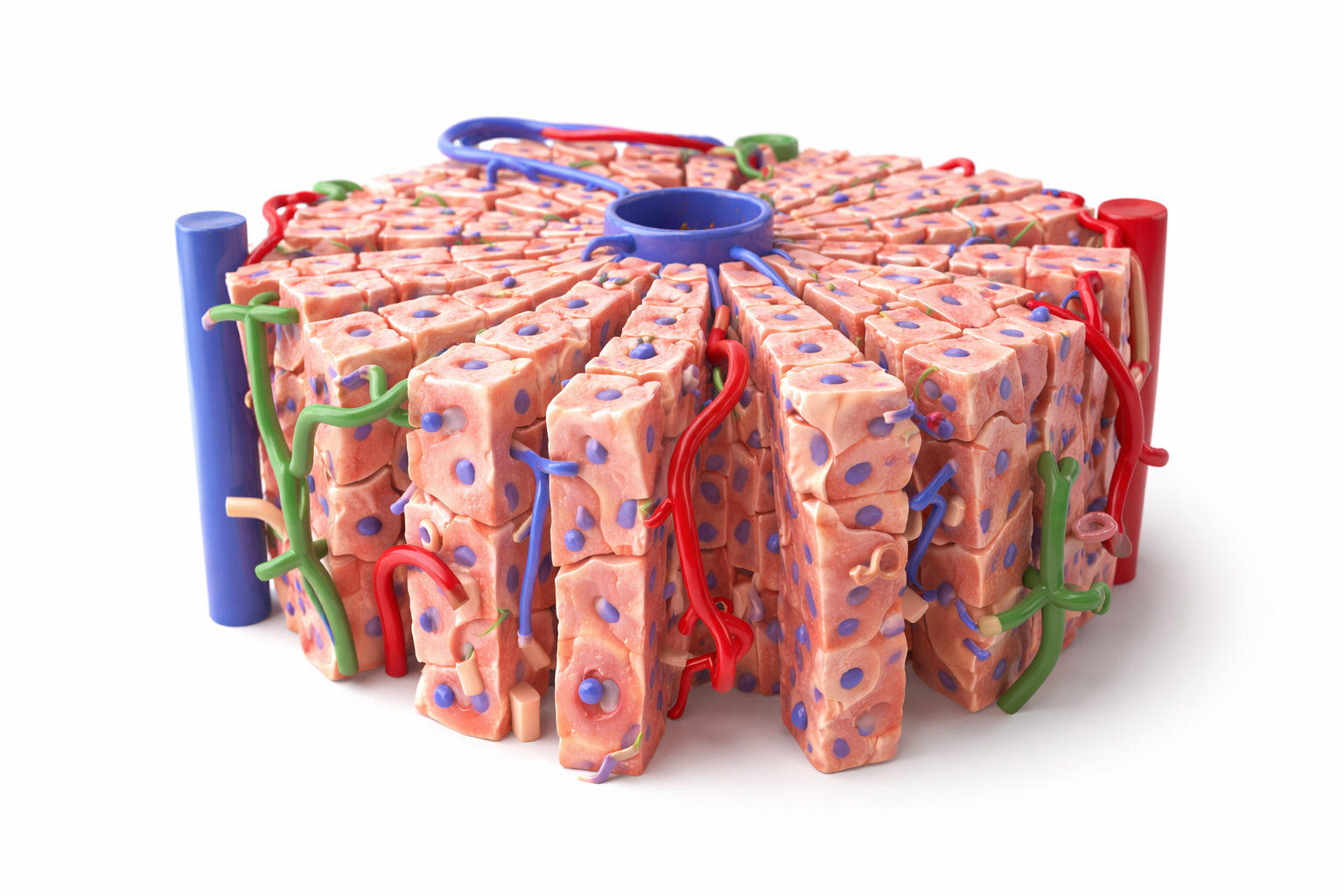
Microscopically, liver organizes into classic hexagonal lobules measuring approximately one to two millimeters in diameter, repeated one hundred thousand times throughout the organ like crystalline structure. Each lobule centers around a central vein, with hepatocytes arranged in radiating plates one to two cells thick extending toward periphery like spokes from wheel's hub. Between hepatocyte plates run sinusoids—specialized fenestrated capillaries with discontinuous endothelium allowing direct contact between blood and hepatocytes, maximizing metabolic exchange through intimate molecular proximity.
Portal triads occupy lobule corners, containing three essential structures: branches of hepatic artery delivering oxygenated blood, portal vein branches carrying nutrient-rich blood from digestive organs, bile ductules collecting bile secreted by hepatocytes. These triads also contain lymphatic vessels and nerve fibers coordinating hepatic function. Between adjacent hepatocytes run bile canaliculi—microscopic channels collecting bile and draining toward bile ductules in portal triads, flowing opposite to blood direction. This countercurrent arrangement optimizes bile concentration through osmotic gradients.
Space of Disse—narrow gap between sinusoidal endothelium and hepatocytes—contains hepatic stellate cells storing vitamin A and producing extracellular matrix. These stellate cells activate during liver injury, becoming fibrogenic contributors to cirrhosis development, making them important therapeutic targets.
This organization—from gross lobar anatomy to microscopic cellular architecture—demonstrates optimization through natural selection: structures positioned precisely for maximum efficiency, every hepatocyte accessing both blood supply and bile drainage, all contributing to singular mission of maintaining biochemical stability permitting metabolism, permitting detoxification, permitting consciousness, permitting life itself.
Location and Shape
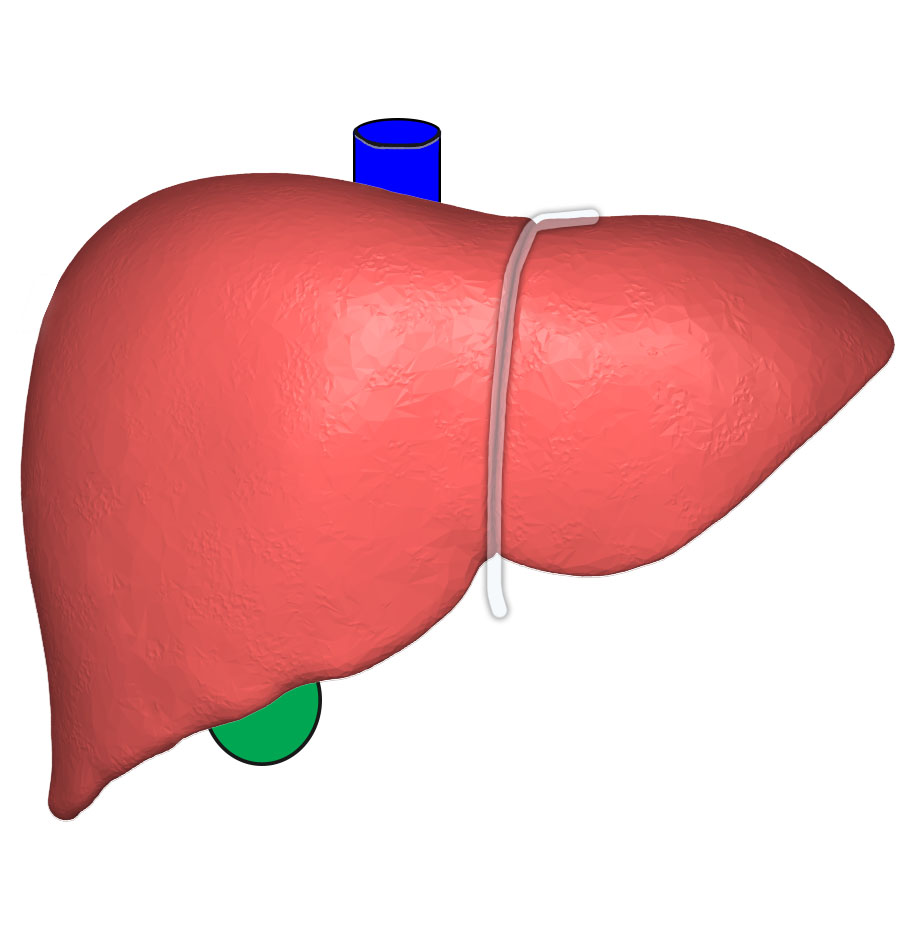
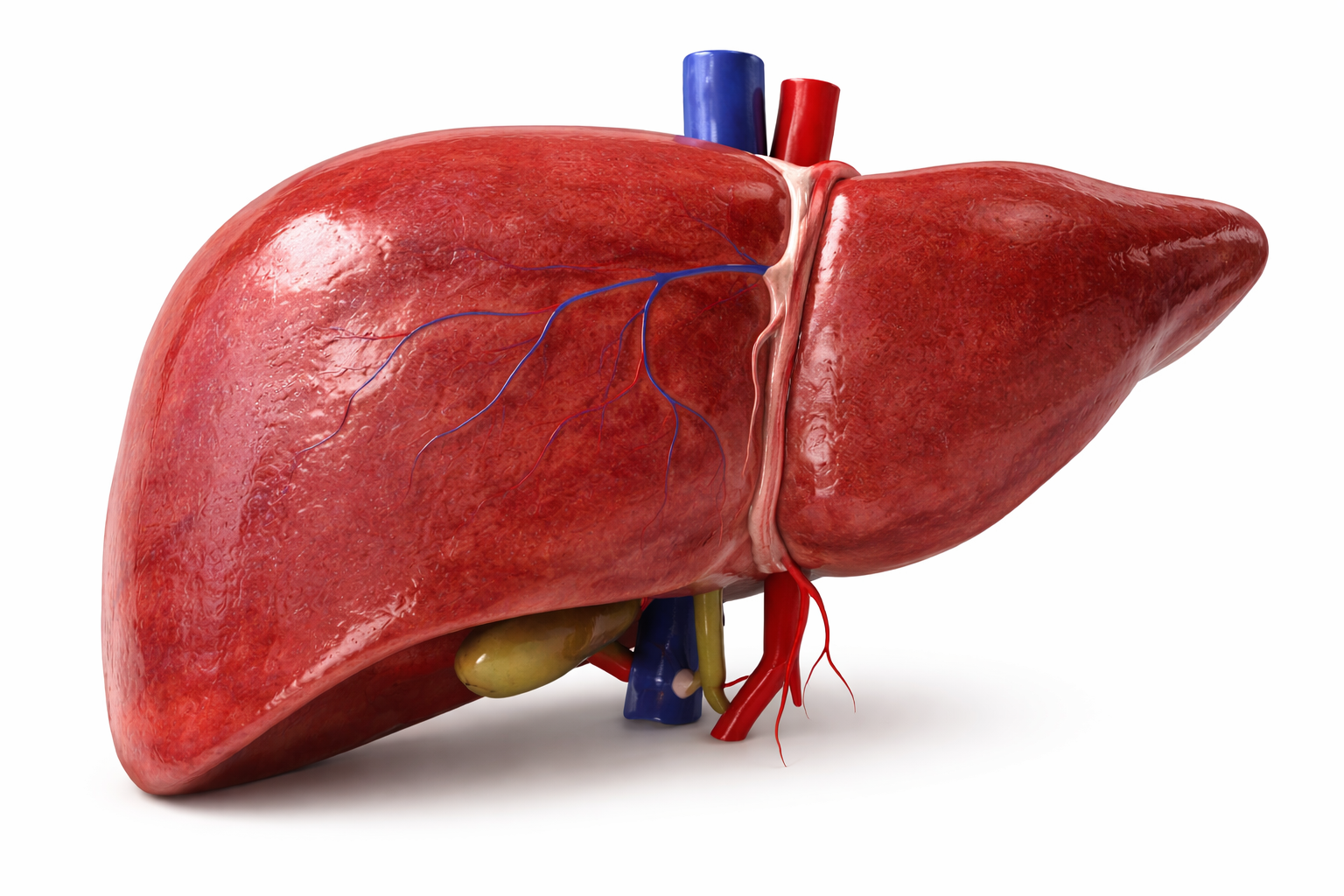
Your liver occupies the right upper quadrant of your abdominal cavity, positioned immediately beneath diaphragm, protected by lower ribs. It extends from right fifth intercostal space superiorly to just below right costal margin inferiorly, though left lobe crosses midline reaching left upper quadrant. Liver demonstrates roughly wedge-shaped configuration—thick on right tapering toward left.
Superior diaphragmatic surface conforms to diaphragm's undersurface, displaying convex contours. Inferior visceral surface exhibits concave appearance with impressions from adjacent organs including stomach, duodenum, right kidney, hepatic flexure of colon, gallbladder—each organ leaving its signature upon hepatic surface.
Dimensions average twenty centimeters transversely, fifteen centimeters vertically, ten centimeters anteroposteriorly. Weight ranges thirteen hundred to eighteen hundred grams—making it heaviest internal organ after skin. Surface appears reddish-brown, smooth, enclosed by fibrous Glisson's capsule.
Falciform ligament—a peritoneal fold—divides liver into anatomical right and left lobes anteriorly. Ligamentum teres—obliterated umbilical vein—runs within falciform ligament's free edge. Multiple peritoneal reflections including coronary and triangular ligaments suspend liver from diaphragm and posterior abdominal wall, maintaining position while allowing slight respiratory movement. Despite anchoring, liver moves with breathing—descending during inspiration, ascending during expiration—demonstrating beautiful tension between stability and mobility characterizing all living structures.
Diseases
When liver function falters, biochemical catastrophe unfolds—metabolism collapsing cell by cell, detoxification ceasing, existence threatened at its foundation. Viral hepatitis inflames hepatic tissue through infection: hepatitis B chronically affects two hundred ninety million people worldwide, hepatitis C infects seventy million, both progressing silently over decades toward cirrhosis and hepatocellular carcinoma like slow poison. Vaccination prevents hepatitis A and B; tragically, no vaccine exists for hepatitis C despite antiviral cures now available.
Alcoholic liver disease develops through progressive stages—fatty liver, alcoholic hepatitis, ultimately cirrhosis—following chronic excessive consumption destroying hepatocytes relentlessly. Non-alcoholic fatty liver disease affects approximately twenty-five percent of adults globally through fat accumulation unrelated to alcohol, associated with obesity and diabetes, advancing quietly toward the same devastating endpoint.
Cirrhosis represents irreversible scarring replacing functional architecture, resulting from chronic injury regardless of cause. Scarred liver impairs function progressively: portal hypertension forces fluid into abdomen as ascites, hepatic encephalopathy clouds consciousness through ammonia accumulation, clotting factor deficiency increases bleeding risk dramatically, eventually culminating in complete liver failure and death.
Hepatocellular carcinoma ranks fourth leading cancer death cause worldwide, typically developing in cirrhotic livers. Primary biliary cholangitis and primary sclerosing cholangitis destroy bile ducts through autoimmune mechanisms. Hemochromatosis causes excessive iron accumulation damaging hepatocytes; Wilson disease involves toxic copper accumulation. Early detection through blood tests measuring liver enzymes, bilirubin, synthetic function enables intervention when treatment proves most effective, potentially reversing damage before permanent scarring.
How to Protect Your Liver
Liver protection begins with conscious daily choices, recognizing this organ as your body's chemical guardian deserving thoughtful care. Alcohol represents the greatest modifiable threat—excessive drinking directly destroys hepatocytes through toxic metabolites and oxidative stress relentlessly. Men should limit intake to two drinks daily maximum, women to one drink daily. Complete abstinence proves ideal for those with existing liver disease.
Maintain healthy weight through balanced nutrition and regular physical movement. Non-alcoholic fatty liver disease now affects twenty-five percent of adults globally, progressing silently toward cirrhosis and death. Plant-rich diets emphasizing vegetables, whole grains, lean proteins protect hepatic function while obesity accelerates destruction.
Maintain healthy weight through balanced nutrition and regular physical movement. Non-alcoholic fatty liver disease now affects twenty-five percent of adults globally, progressing silently toward cirrhosis and death. Plant-rich diets emphasizing vegetables, whole grains, lean proteins protect hepatic function while obesity accelerates destruction.
 Vaccination against hepatitis A and B provides critical protection, especially for healthcare workers and travelers to endemic regions. Avoiding hepatitis C transmission through safe practices prevents this serious infection lacking vaccine protection.
Use medications responsibly and avoid unnecessary supplements. Many drugs and herbal products possess hepatotoxic potential—acetaminophen overdose remains leading acute liver failure cause in developed nations. Never exceed recommended dosing.
Limit processed foods and added sugars. Excess fructose drives fat accumulation in hepatocytes. Coffee consumption demonstrates protective effects against liver disease progression.
Regular medical screening enables early detection—simple blood tests reveal problems when intervention proves most effective. Thoughtful protection means honoring the silent factory enabling your metabolism, your detoxification, your consciousness, your life.
summary
Before you finish reading this final sentence, your liver will have performed thousands of chemical reactions. Millions today. Billions this year. Trillions across your lifetime. Continuous, automatic, unacknowledged. It transforms chaos into order, toxins into harmless waste, nutrients into usable fuel. It maintains the precise biochemical environment where cellular metabolism occurs, where energy production happens, where consciousness persists as molecular miracle. Without it, toxic accumulation causes death within days. Yet we abuse it through excessive alcohol, poor nutrition, unnecessary medications—until disease strikes without warning, until function fails irreversibly, until we understand too devastatingly late what we possessed and destroyed.
Ancient physicians were profoundly correct: liver does house something essential. Not courage itself perhaps, but the biochemical foundation upon which all bodily functions depend absolutely, the chemical stage where existence performs its daily miracle.
Honor it. Drink moderately. Eat wisely. Choose medications carefully. Live consciously.
This organ—this chemical cathedral, this metabolic powerhouse—maintains the narrow range of biochemistry where life unfolds. It deserves your deepest gratitude, your conscious protection, your profound respect.
Healthy liver means more than survival. It means freedom—freedom to eat, to metabolize, to detoxify, to live fully. It means life itself, sustained by molecular miracles occurring every heartbeat in the tireless chemical cathedral beneath your ribs.