The Human Lungs: Essential Organs of Life
Introduction (100 words)
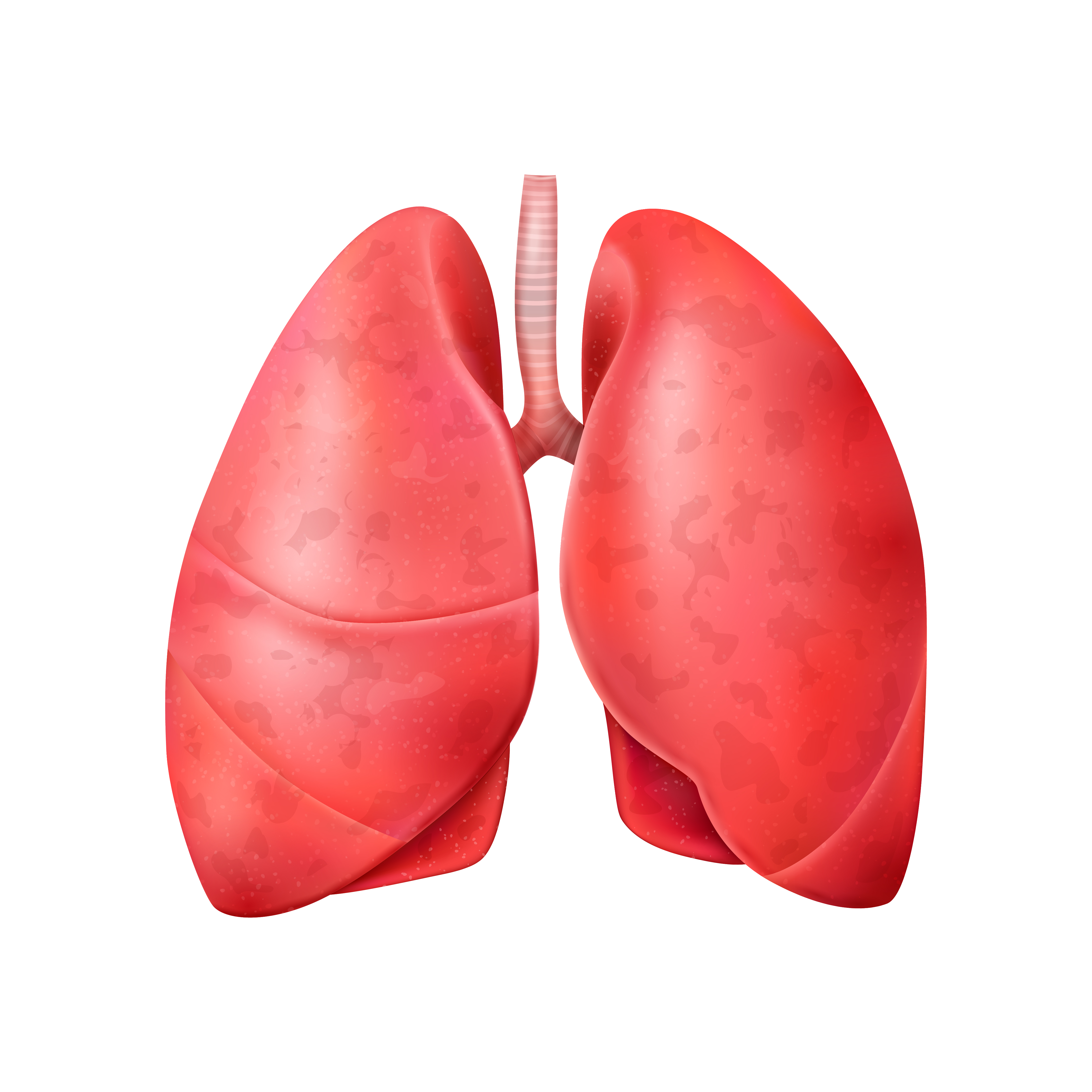
Every moment of our lives depends on two remarkable organs nestled within our chest: the lungs. Without conscious thought, they orchestrate over twenty thousand breaths daily, transforming air into life itself. These sophisticated biological structures facilitate oxygen and carbon dioxide exchange, sustaining trillions of cells throughout our body. From our first cry at birth to our final breath, the lungs work tirelessly. This comprehensive exploration reveals the fascinating architecture, extraordinary functions, precise location, common diseases, and essential protection strategies for these vital organs. Understanding our lungs empowers us to breathe easier and live healthier lives.
Main Article
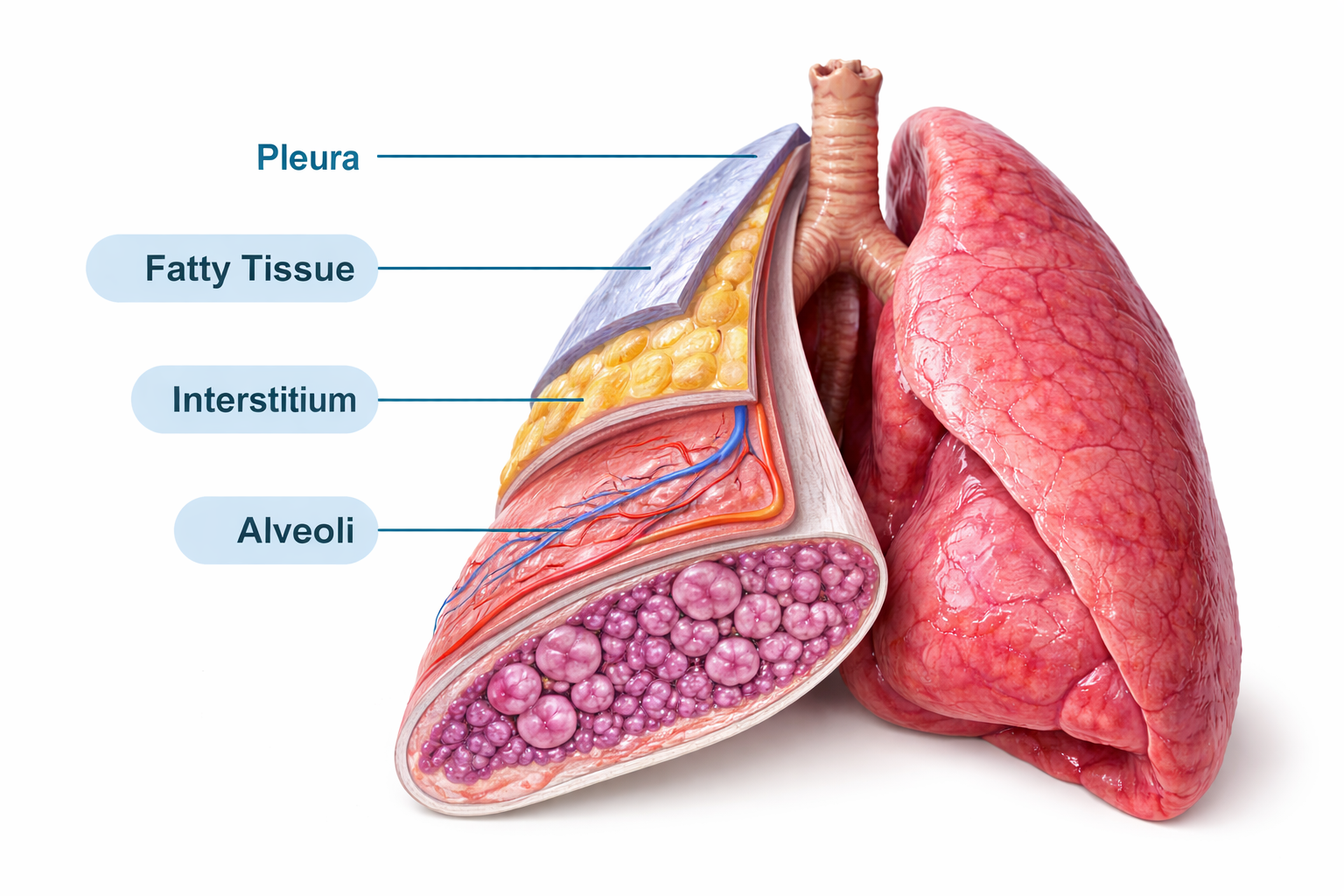
The lungs are paired spongy organs serving as our body's gas exchange headquarters. Imagine two biological bellows positioned symmetrically within your protective rib cage, collaborating seamlessly with the diaphragm, intercostal muscles, heart, and circulatory system. Their mission involves delivering oxygen-rich blood throughout your body while efficiently removing carbon dioxide waste. Each lung is enveloped by the pleura, a double-layered protective membrane producing lubricating fluid. This natural lubrication eliminates friction during constant expansion and contraction, allowing smooth pain-free respiratory movements throughout our lives.
Lung development represents one of nature's most remarkable journeys beginning around the fourth gestational week when a tiny bud emerges from the embryonic foregut. This development continues throughout pregnancy, infancy, childhood, and adolescence, not reaching complete maturity until our early twenties. At birth, the dramatic transition from fluid-filled fetal lungs to air-breathing organs marks one of life's most critical moments. A newborn's first breath requires tremendous effort to overcome surface tension and inflate collapsed alveoli, establishing lifelong respiratory function. Throughout childhood, lung capacity expands dramatically as alveolar numbers multiply from approximately twenty million at birth to over three hundred million in adulthood.
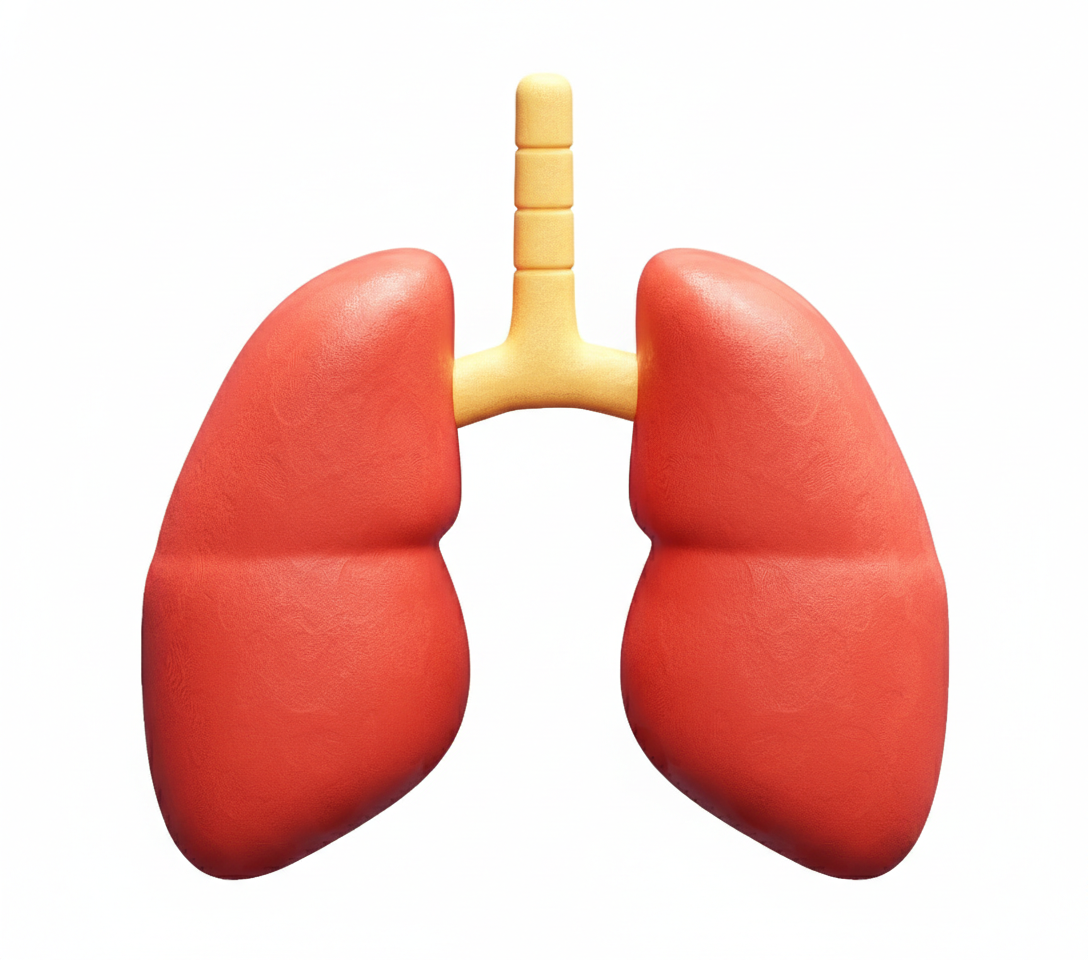
The adult lungs possess truly extraordinary dimensions that defy their compact appearance. Despite fitting comfortably within your chest cavity, the internal surface area of both lungs combined spans approximately seventy to one hundred square meters. That equals roughly half a regulation tennis court folded inside your torso. This immense surface area proves absolutely essential for efficient gas exchange, creating countless opportunities for oxygen molecules to diffuse rapidly from inhaled air into the bloodstream while simultaneously allowing carbon dioxide to escape efficiently. The lungs achieve this remarkable feat through an intricate tree-like branching system of airways culminating in approximately three hundred to five hundred million microscopic alveoli, each surrounded by delicate capillary networks.
The complete respiratory system functions as an integrated assembly line extending far beyond the lungs themselves. Beginning at the nostrils, air enters the nasal cavity where turbulent airflow over moist warm mucous membranes conditions incoming breath efficiently. Think of it as nature's air conditioner and filter combined, removing particles, neutralizing pathogens, adjusting temperature, and adding humidity. The air then flows through the pharynx before entering the larynx. This sophisticated structure houses the vocal cords responsible for speech production and acts as a vigilant guardian preventing food from entering the airways through the epiglottis flap mechanism. The trachea, commonly called the windpipe, provides a sturdy conduit reinforced with C-shaped cartilage rings preventing collapse during breathing before bifurcating into left and right main bronchi.
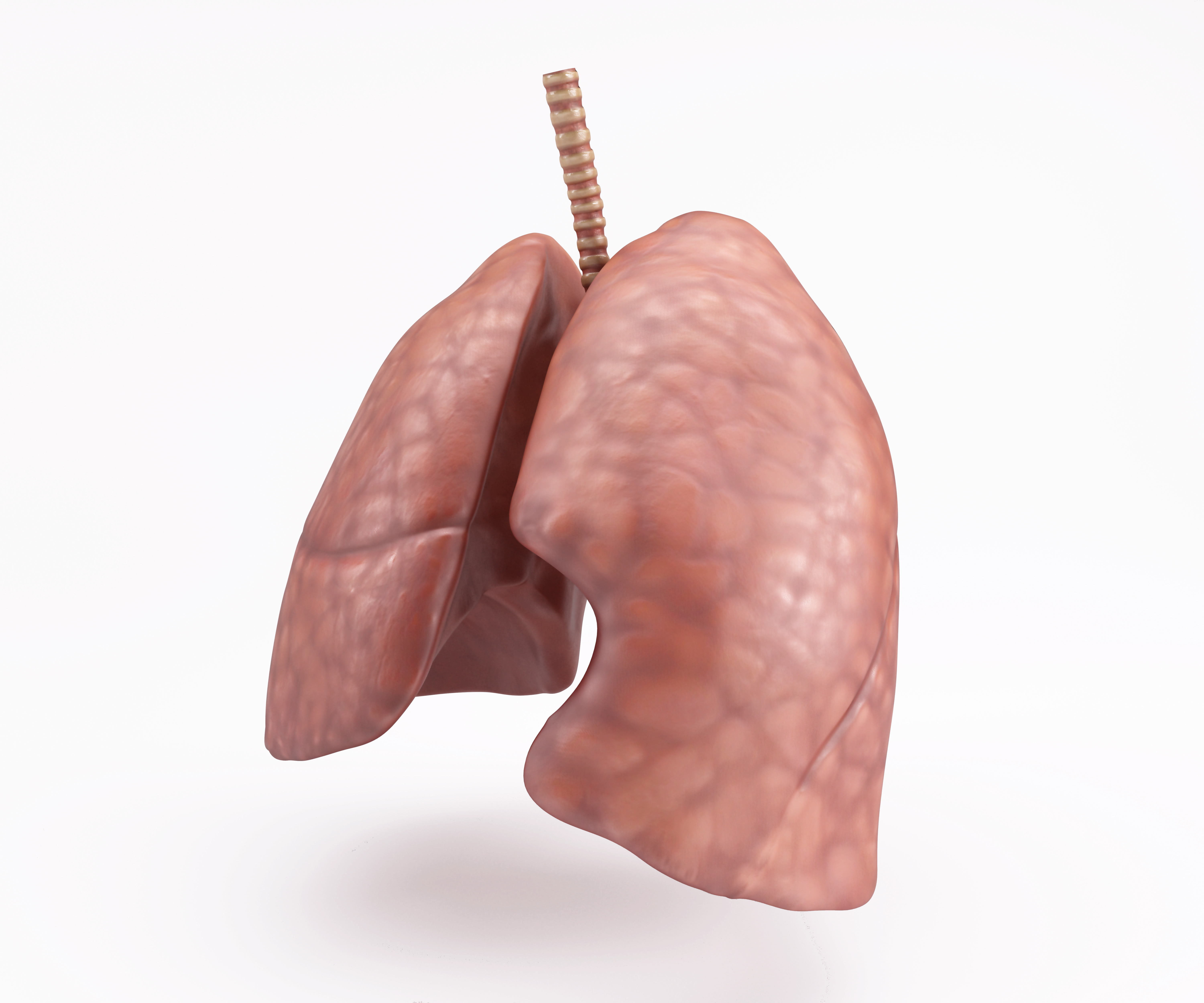
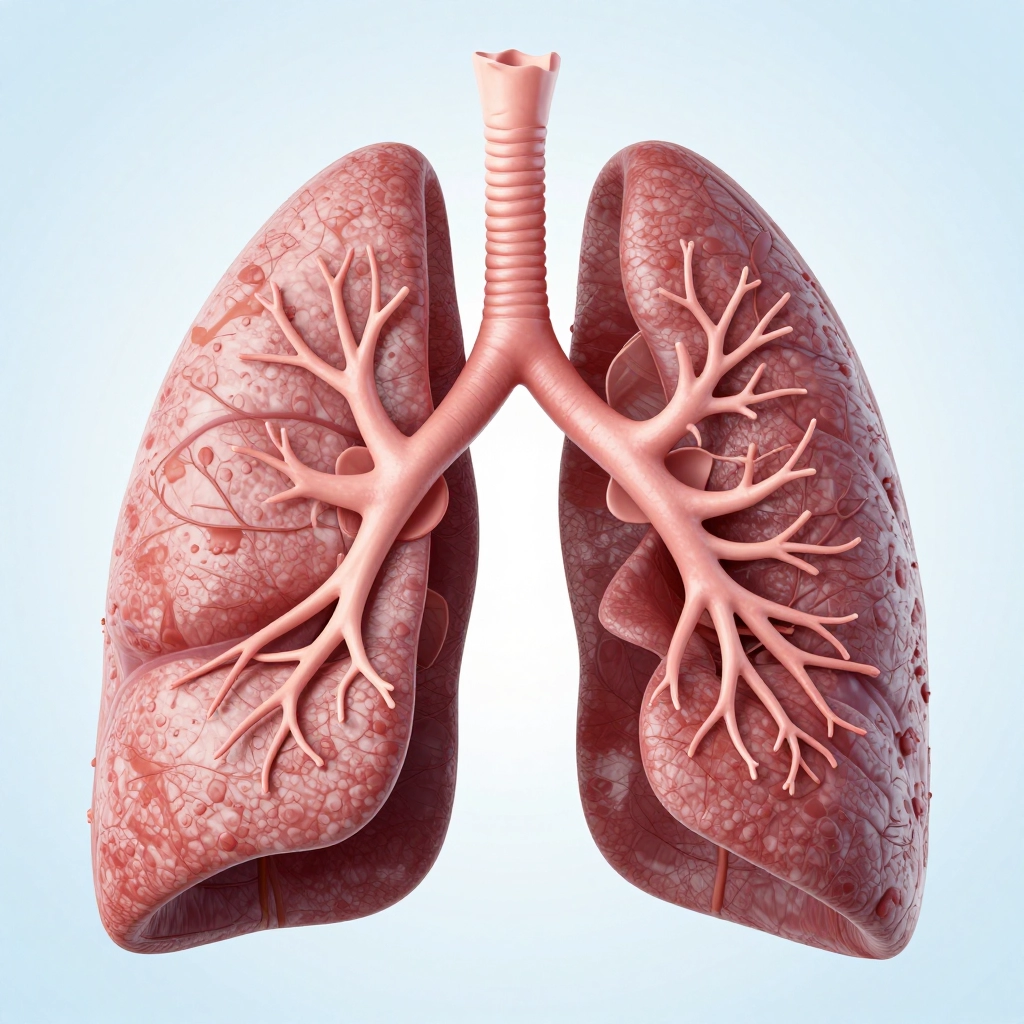
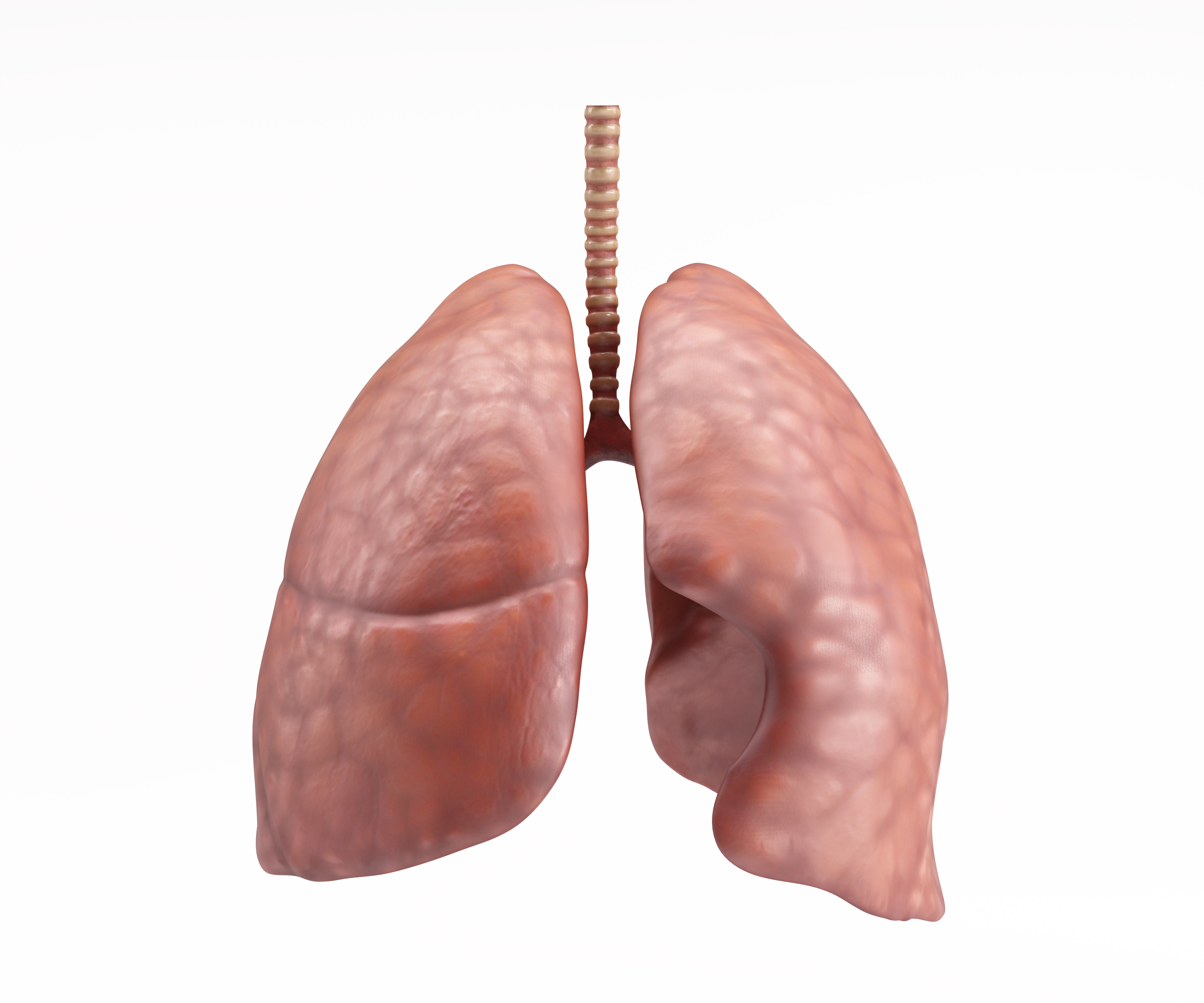
Anatomical asymmetry characterizes the human lungs in fascinating ways reflecting evolutionary compromise and optimization. The right lung, being larger and heavier, divides into three distinct lobes: superior, middle, and inferior, separated by horizontal and oblique fissures. Conversely, the left lung contains only superior and inferior lobes, modified to accommodate the heart's leftward position through a concave depression called the cardiac notch. This represents architectural compromise, sacrificing lung space to give your heart room to beat without interference. The right lung typically weighs about six hundred grams compared to the left lung's five hundred fifty grams in adult males. Each lobe further subdivides into bronchopulmonary segments, independent functional units possessing dedicated airways and blood supplies. This clever segmentation allows surgeons to remove diseased segments surgically while preserving healthy lung tissue.
Blood flow through the lungs follows a specialized circuit called pulmonary circulation, operating distinctly from systemic circulation serving the body's other organs. Deoxygenated carbon dioxide-laden blood arrives from the right heart ventricle through branching pulmonary arteries, distributing blood to vast capillary networks surrounding each alveolus where gas exchange occurs. After oxygenation, oxygen-enriched blood returns via four pulmonary veins to the left atrium ready for systemic distribution throughout the entire body. Pulmonary circulation operates at significantly lower pressures than systemic circulation, only about one-fifth the pressure. This gentle pressure prevents fluid from leaking into delicate alveolar spaces where it would catastrophically impair gas exchange and cause pulmonary edema.
Elasticity represents a crucial mechanical property enabling efficient breathing with minimal energy expenditure. The lung parenchyma contains abundant elastic fibers functioning like millions of microscopic springs, stretching during inhalation when respiratory muscles contract, then passively recoiling during exhalation when muscles relax. This remarkable elasticity means normal quiet breathing requires active muscular work only during inspiration while exhalation happens automatically through elastic recoil requiring no energy whatsoever. However, during vigorous exercise or labored breathing associated with respiratory diseases, accessory respiratory muscles kick into action, actively compressing the thorax and accelerating exhalation.
Beyond gas exchange, the lungs perform numerous vital non-respiratory functions often overlooked. They act as a significant blood reservoir holding approximately four hundred fifty milliliters at any moment, buffering fluctuations in circulatory volume during postural changes and physical exercise. The pulmonary capillary network acts like a sophisticated biological filter trapping microscopic blood clots, fat emboli, and cellular debris, protecting the brain, kidneys, and other vital organs from potentially catastrophic blockages. Additionally, lung tissue metabolizes various hormones and vasoactive substances playing important endocrine functions. One crucial example is converting angiotensin one to angiotensin two through angiotensin-converting enzyme, a critical step in blood pressure regulation. The lungs also help maintain blood pH balance by adjusting carbon dioxide elimination rates.
Temperature and humidity control represent additional critical pulmonary functions ensuring optimal conditions for gas exchange. Regardless of environmental conditions, the respiratory system conditions inhaled air to match body temperature before reaching delicate alveolar tissues. Similarly, the airways' extensive mucous membrane surface adds moisture to dry air preventing desiccation and maintaining optimal humidity levels for efficient gas exchange. Specialized goblet cells secrete protective mucus trapping inhaled particles, bacteria, viruses, and environmental pollutants before they reach deeper lung structures. Millions of microscopic hair-like cilia then sweep contaminated mucus upward toward the throat where it is swallowed or expectorated.
Function
The lungs' paramount function involves gas exchange, scientifically termed respiration, sustaining cellular metabolism throughout the entire body. During inhalation, atmospheric air containing approximately twenty-one percent oxygen travels through progressively branching airways ultimately reaching approximately three hundred million alveoli where the magic happens. Oxygen molecules diffuse across the extraordinarily thin alveolar-capillary membrane measuring merely zero point five micrometers into red blood cells binding to hemoglobin molecules for transport throughout the circulatory system. Simultaneously, carbon dioxide, the principal metabolic waste product generated by cellular respiration, diffuses from capillary blood into alveolar air for elimination through exhalation. This bidirectional exchange relies entirely on passive diffusion driven by partial pressure concentration gradients.
Gas exchange efficiency depends critically on the ventilation-perfusion ratio representing the crucial balance between air reaching alveoli through ventilation and blood flowing through adjacent capillaries through perfusion. Ideally, well-ventilated alveoli receive adequate blood flow maximizing oxygen uptake and carbon dioxide removal efficiency. The body employs sophisticated regulatory mechanisms matching ventilation with perfusion automatically. Consider hypoxic pulmonary vasoconstriction where blood vessels constrict in poorly ventilated lung regions redirecting flow toward better-ventilated areas to optimize gas exchange. Conversely, bronchodilation occurs near well-perfused regions optimizing airflow distribution. When disease disrupts this delicate balance, such as pneumonia filling alveoli with inflammatory fluid or pulmonary embolism blocking blood vessels, hypoxemia develops reducing blood oxygen levels dangerously.
Breathing mechanics involve coordinated muscular efforts precisely controlling inspiration and expiration phases. The respiratory center located in the medulla oblongata brainstem continuously monitors blood carbon dioxide levels, oxygen saturation, and pH adjusting breathing rate and depth accordingly, all automatically without conscious thought. During inspiration the dome-shaped diaphragm muscle contracts downward flattening and expanding the thoracic cavity vertically creating negative pressure drawing air inward.
Structural Organization
The lungs exhibit hierarchical structural organization optimized for maximum gas exchange efficiency within minimal physical space representing nature's fractal design masterpiece. The trachea, a rigid tube approximately eleven centimeters long and two centimeters wide, divides at the carina ridge into left and right main bronchi entering their respective lungs at the hilum opening. The right main bronchus is shorter, wider, and more vertically oriented than its left counterpart explaining why aspirated foreign objects more commonly lodge in the right lung. Each main bronchus immediately begins subdividing creating an intricate branching pattern resembling an inverted tree appropriately named the bronchial tree.
Through approximately twenty-three successive generations of branching, airways progressively decrease in diameter while exponentially increasing in total number creating enormous surface area. The initial bronchial generations contain C-shaped cartilage rings maintaining airway patency and structural support preventing collapse during negative-pressure inspiration. Around generation eight, bronchi transition to bronchioles, smaller airways lacking cartilage but possessing circumferential smooth muscle capable of constricting or dilating dynamically regulating airflow distribution to different lung regions. Autonomic nervous system signals and local chemical mediators control this bronchial smooth muscle tone responding to changing metabolic demands. Terminal bronchioles represent approximately the sixteenth generation marking the conducting zone's endpoint where air transport occurs without gas exchange.
Beyond terminal bronchioles lies the respiratory zone where actual oxygen and carbon dioxide gas exchange transpires. Respiratory bronchioles feature occasional alveoli budding from their walls transitioning to alveolar ducts completely lined with numerous alveolar openings. These ducts terminate in alveolar sacs, grape-like clusters containing multiple individual alveoli. Each tiny alveolus measuring approximately two hundred to three hundred micrometers in diameter is enveloped by dense capillary networks forming the critical alveolar-capillary interface. The alveolar walls comprise primarily type one pneumocytes, extremely flat cells minimizing diffusion distance, and type two pneumocytes producing surfactant reducing surface tension.
Location and Shape
The lungs occupy the majority of thoracic cavity volume enclosed within the protective rib cage and flanking the mediastinum centrally. The mediastinum houses the heart, great vessels including aorta and vena cava, esophagus, trachea, thymus gland, and various nerves and lymphatic vessels. Each lung's apex extends superiorly approximately one inch above the clavicle bone reaching the supraclavicular region while the concave base rests on the diaphragm's dome-shaped surface. The right lung measures approximately twenty-five to thirty centimeters vertically from apex to base weighing around six hundred grams in adult males slightly exceeding the left lung's five hundred fifty grams.
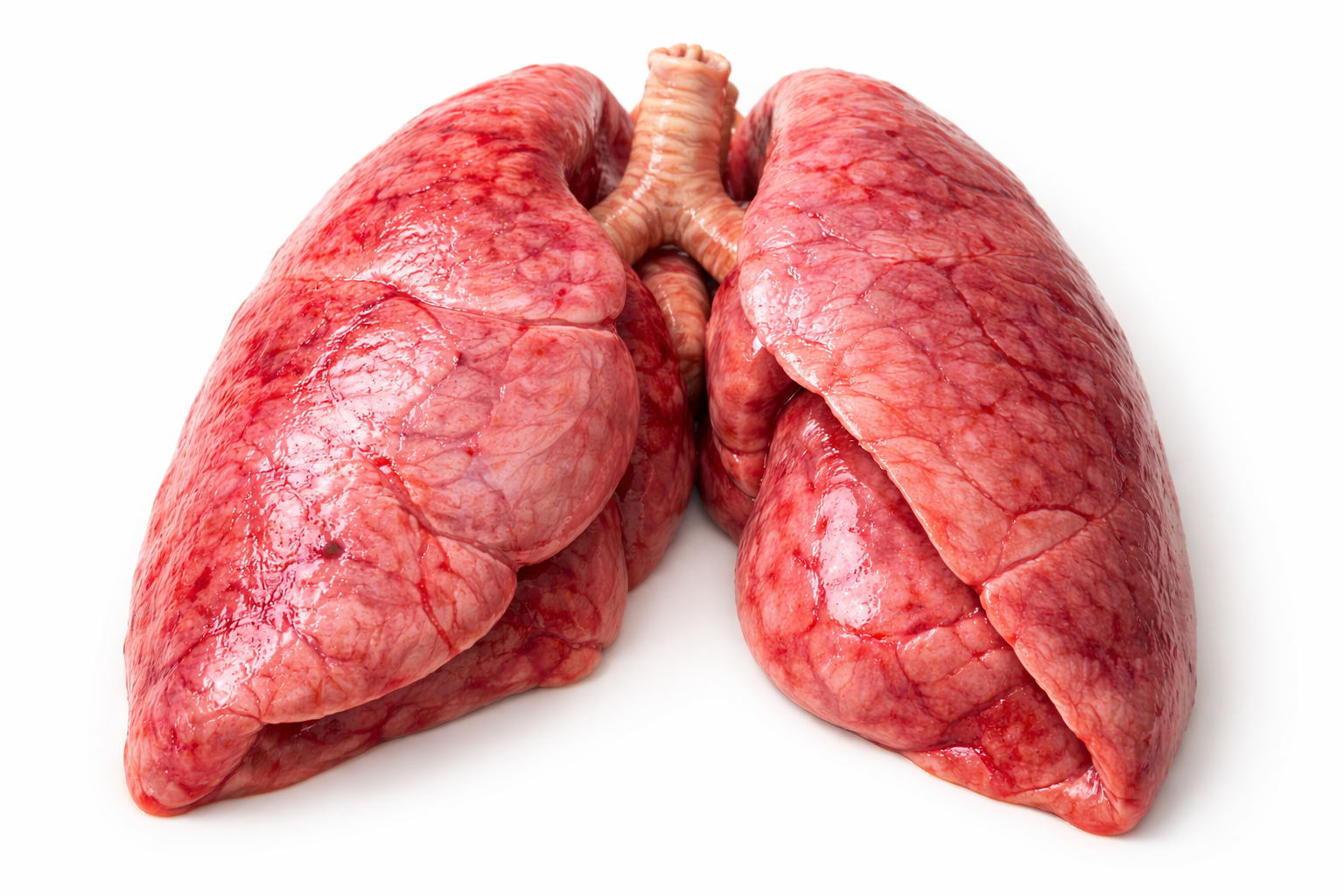
Each lung resembles a cone shape featuring a rounded apex superiorly and a broad concave base inferiorly conforming precisely to the diaphragm's curved surface. Three distinct surfaces characterize each lung anatomically: the costal surface interfaces with the ribs anteriorly, laterally, and posteriorly; the mediastinal surface faces medially toward the mediastinum displaying the hilum depression where vessels and airways enter; and the diaphragmatic surface rests inferiorly on the muscular diaphragm. Healthy lungs exhibit soft spongy elastic consistency with characteristic pink coloration in nonsmokers though chronic smoking produces darker mottled hardened tissue. The pleural cavity contains thin pleural fluid enabling frictionless sliding during breathing.
Diseases
The lungs face numerous pathological threats significantly compromising respiratory function and overall health outcomes. Chronic obstructive pulmonary disease, commonly abbreviated COPD, encompasses emphysema and chronic bronchitis causing progressive irreversible airflow limitation affecting over three hundred million people worldwide annually. Emphysema destroys alveolar walls permanently reducing gas exchange surface area while chronic bronchitis inflames airways chronically producing excessive mucus and persistent coughing. Cigarette smoking causes approximately eighty-five to ninety percent of all COPD cases making it highly preventable.
 Asthma affecting over three hundred million people globally triggers recurrent bronchospasm episodes, airway inflammation, and mucus hypersecretion causing wheezing, chest tightness, and breathlessness triggered by allergens, exercise, or respiratory infections. Pneumonia, an acute lung infection caused by bacteria, viruses, or fungi, fills alveoli with inflammatory exudate impairing gas exchange severely. Lung cancer remains the deadliest cancer globally killing approximately one point eight million people annually worldwide with smoking responsible for roughly eighty-five percent of cases. Pulmonary fibrosis involves progressive lung tissue scarring causing restrictive lung disease. Tuberculosis caused by Mycobacterium tuberculosis bacteria infects approximately ten million people annually despite being preventable and curable. Pulmonary embolism represents a medical emergency where blood clots obstruct pulmonary arteries potentially causing sudden death.
How to Protect Our Lungs
Preserving lung health requires proactive lifestyle modifications and preventive strategies throughout life. Avoiding tobacco smoking represents the single most important protective measure available. Smoking irreparably damages airways permanently, destroys alveolar architecture, paralyzes protective cilia, promotes chronic inflammation, and exponentially increases lung cancer and COPD risks dramatically. Quitting at any age provides significant health benefits within months. Avoiding secondhand smoke exposure proves equally crucial particularly for children whose developing lungs are especially vulnerable.
Regular aerobic exercise including walking, swimming, cycling, and dancing strengthens respiratory muscles, enhances lung capacity, improves oxygen utilization efficiency, and promotes overall cardiovascular health significantly. Maintaining excellent indoor air quality through adequate ventilation and avoiding volatile organic compounds from harsh cleaning products protects delicate respiratory tissues effectively. Minimize outdoor air pollution exposure particularly during high pollution advisories. Practice meticulous hand hygiene and avoid close contact with infectious individuals to reduce respiratory infection transmission rates.
Vaccinations against influenza, pneumococcal pneumonia, coronavirus disease, and pertussis offer critical protection especially for elderly, immunocompromised, or chronic disease populations at higher risk. Deep breathing exercises, yoga practices, and diaphragmatic breathing techniques enhance pulmonary function and capacity measurably. Annual medical checkups enable early disease detection when treatments prove most effective and outcomes remain favorable. Occupational safety equipment protects workers from asbestos, silica dust, chemical fumes, and other hazardous inhalants. Maintain healthy body weight avoiding obesity.
Summary
The human lungs represent extraordinary biological masterpieces executing the fundamental gas exchange process sustaining all conscious life. Through their intricate architecture featuring approximately three hundred to five hundred million alveoli creating seventy to one hundred square meters of gas exchange surface area, these organs efficiently transfer oxygen into circulation while eliminating carbon dioxide waste products. The asymmetric design with right lung containing three lobes and left lung containing two lobes accommodating cardiac positioning exemplifies remarkable evolutionary adaptation.
Despite remarkable resilience, lungs remain vulnerable to devastating diseases including chronic obstructive pulmonary disease, asthma, pneumonia, tuberculosis, and lung cancer collectively causing millions of preventable deaths annually worldwide. Fortunately many conditions prove preventable or manageable through informed lifestyle choices. Protecting pulmonary health via smoking cessation, regular exercise, pollution minimization, infection prevention, and proactive medical care represents invaluable investment in longevity and quality of life.
Your lungs process approximately eleven thousand liters of air daily, nearly four hundred million liters over an average lifetime of seventy years, enabling every single breath sustaining cellular metabolism throughout your entire body. Appreciating their extraordinary complexity, inherent fragility, and absolutely critical importance empowers evidence-based decisions preserving respiratory function optimally. Ultimately healthy lungs form the essential foundation for healthy vibrant lives underscoring respiratory care's paramount importance.