Most Searched

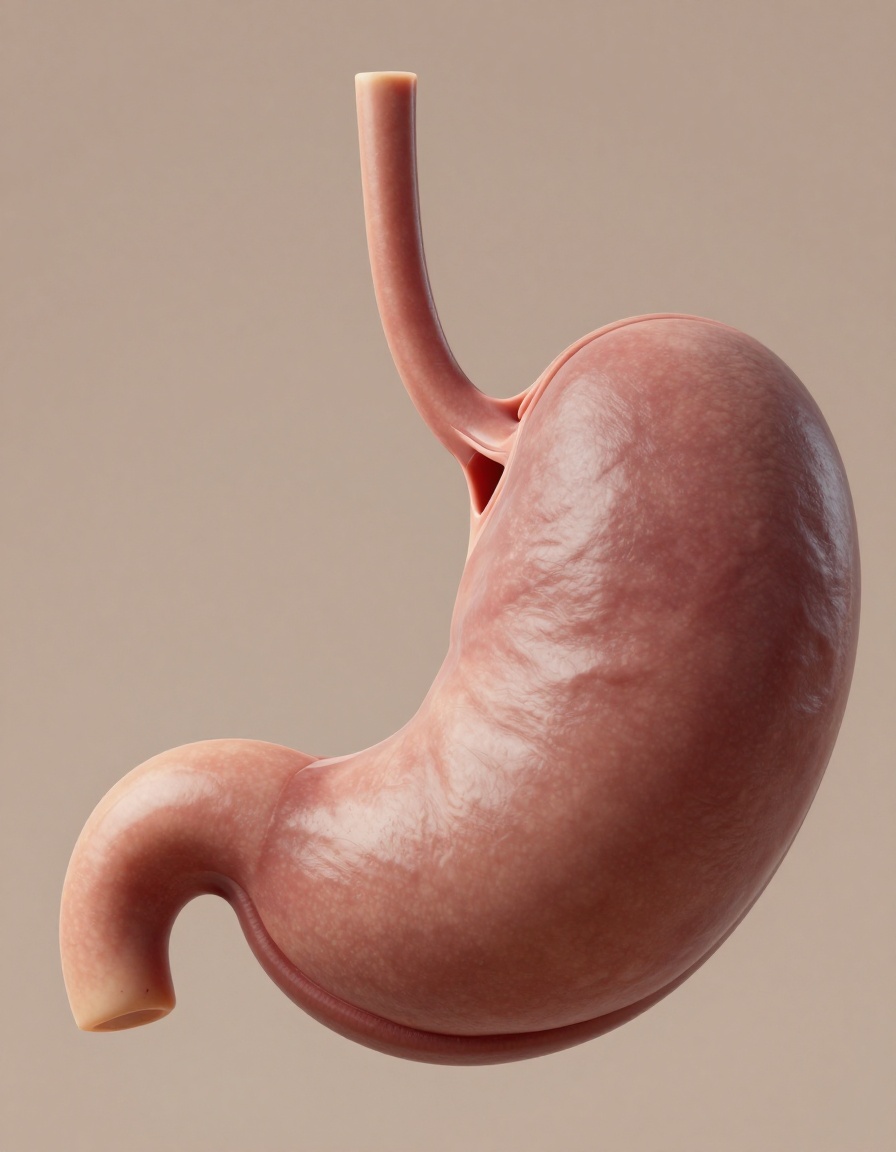
Organ of the Week
Skin: The Body's Amazing Shield
- Skin is the largest organ of the human body
- It completely renews itself every 4–6 weeks
- It has millions of nerve endings that let you feel touch, pain, heat, and cold
 Organa
Options
Your body holds secrets you haven't discovered yet. From the beat of your heart to the spark of thought in your brain — explore human anatomy with scientific precision, through trusted content and interactive visuals that take you on a journey inside your own body.
Everything you need to know about the human body's organs and how they work.
An organ is a structure made of two or more different tissue types working together to perform a specific function. For example, the heart contains muscle, connective, nerve, and blood vessel tissues that work together to pump blood. Multiple organs working toward a shared purpose form an organ system.
There is no universally accepted number because scientists classify some structures differently. Most anatomy references describe the human body as having approximately 78 organs, organized into about 11 major organ systems.
The major organ systems include the circulatory, respiratory, digestive, nervous, endocrine, urinary, reproductive, skeletal, muscular, integumentary (skin), and lymphatic/immune systems. Each performs specialized functions while working closely with the others.
Vital organs are essential for survival and include the heart, brain, lungs, liver, and kidneys. Non-vital organs such as the appendix, gallbladder, or spleen can often be removed without preventing a person from living a healthy life.
The skin is the largest organ. It covers approximately two square meters in an average adult, weighs about four kilograms, protects the body from injury and infection, helps regulate temperature, and contains sensory receptors for touch.
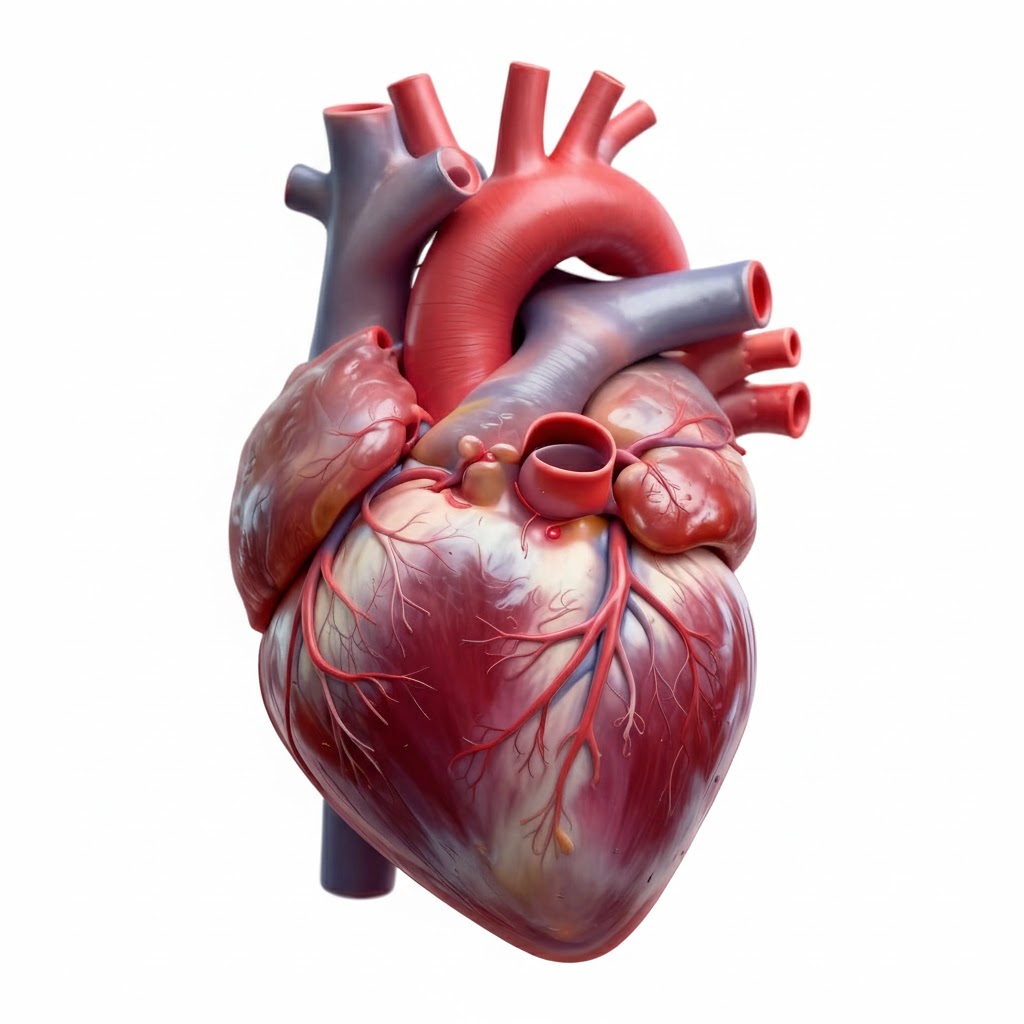
The heart is a powerful muscular pump about the size of a person's closed fist. It pumps roughly five liters of blood every minute, supplying oxygen and nutrients throughout the body. During an average lifetime, it beats more than 2.5 billion times.
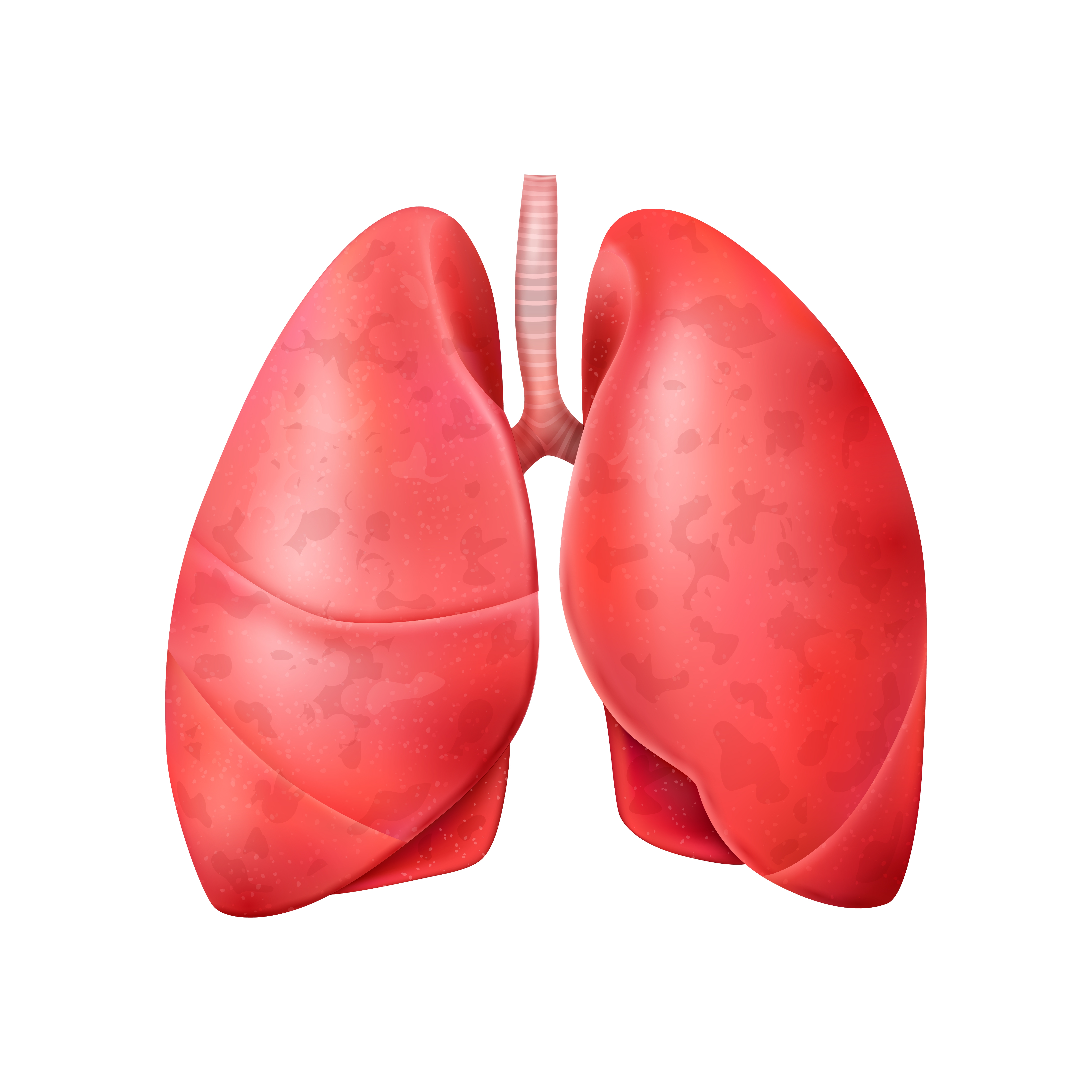
Each lung contains branching airways that end in approximately 300 million microscopic air sacs called alveoli. Oxygen moves from these air sacs into the bloodstream while carbon dioxide moves out to be exhaled. Combined, the alveoli provide a surface area close to the size of a tennis court.
The brain is the body's command center. It controls movement, thoughts, emotions, memory, breathing, heartbeat, and countless other functions using around 86 billion neurons. Although it accounts for only about 2% of body weight, it consumes nearly 20% of the body's energy while at rest.
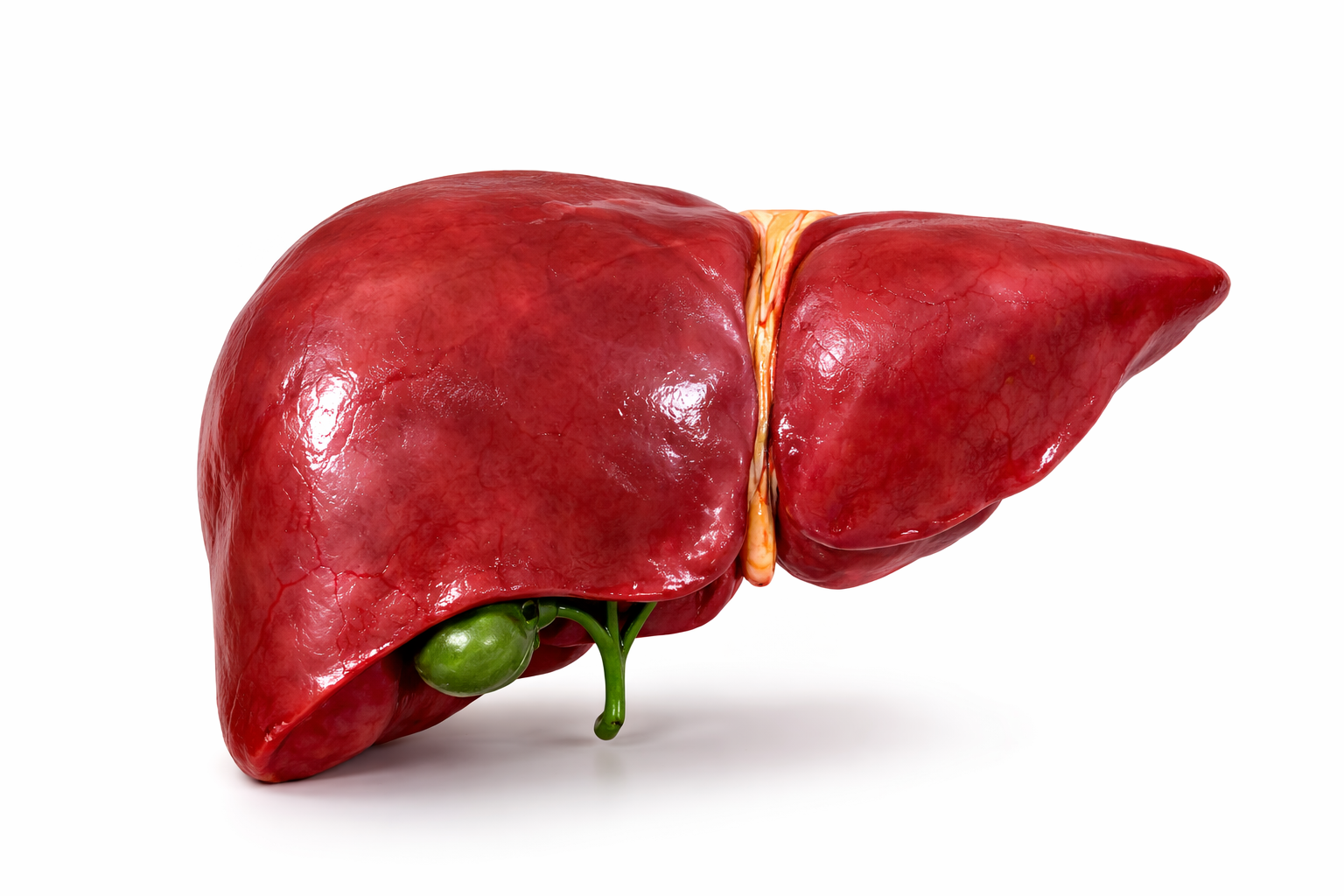
The liver performs more than 500 important functions. It filters harmful substances from the blood, produces bile for digestion, stores vitamins and energy, regulates metabolism, and helps control blood chemistry. It is also the only major internal organ capable of regenerating much of its own tissue after injury.
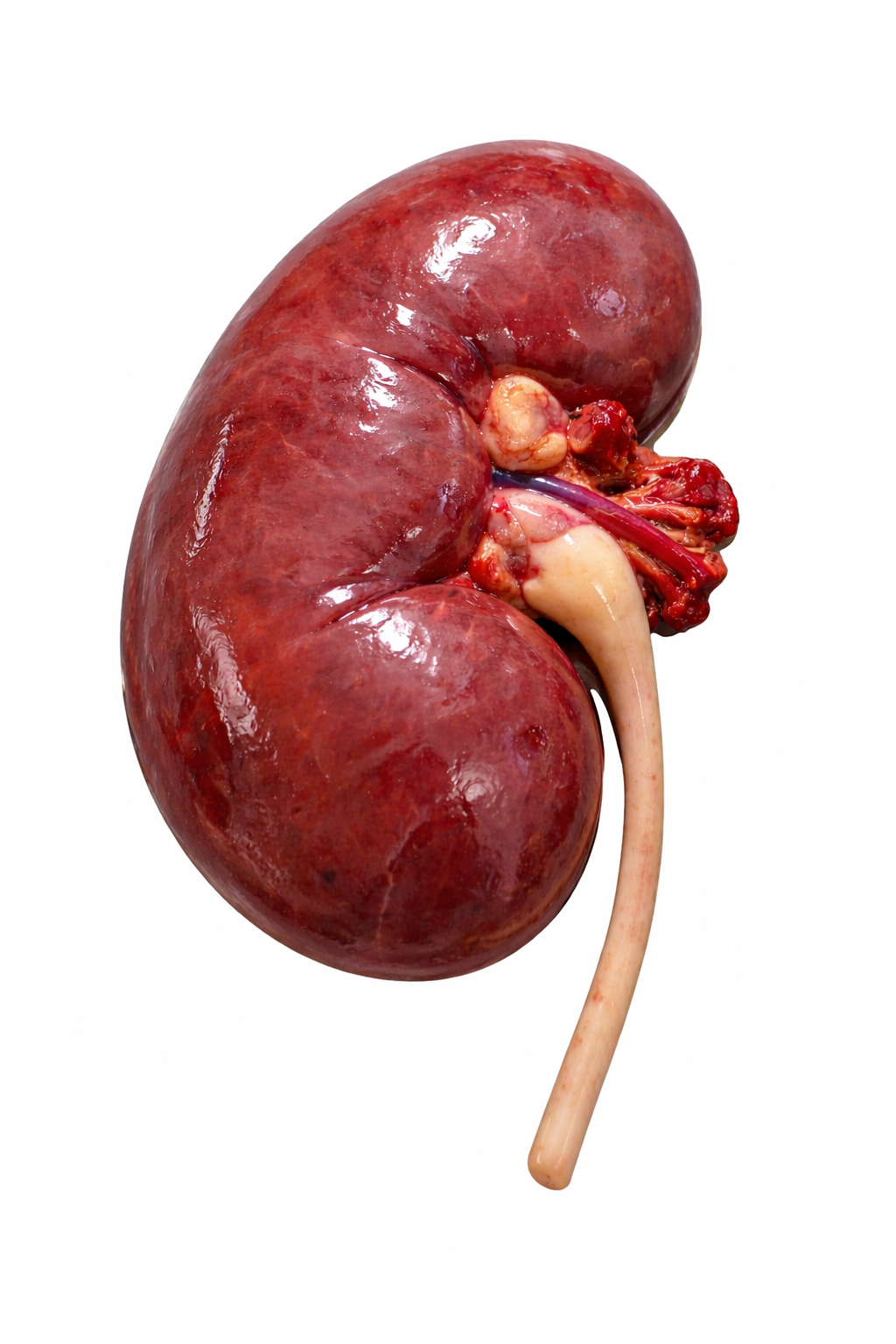
The kidneys filter about 180 liters of fluid every day, removing waste products while balancing water, minerals, and blood pressure. Most people can live normal, healthy lives with one healthy kidney because a single kidney can perform enough of the body's filtering needs.